In today’s fast-paced and customer-centric world, dealing with difficult customers can be a challenging aspect of any job. These individuals may be upset, frustrated, or even hostile, leaving you feeling overwhelmed and unsure of how to effectively handle the situation. However, with the right strategies in place, you can navigate these encounters with grace and professionalism, ultimately turning potentially negative experiences into positive ones. By employing active listening, remaining calm and composed, and going above and beyond to find a resolution, you can effectively diffuse tension and satisfy even the most challenging of customers. Remember, empathy is key in these situations, as putting yourself in the customer’s shoes can help you better understand their perspective and provide the best possible customer service. How do you handle difficult customers in a way that leaves them satisfied and you feeling empowered?

Understanding Difficult Customers
Dealing with challenging customers can be stressful and frustrating. It’s important to understand that difficult customers may have underlying reasons for their behavior, such as dissatisfaction with a product or service, or they may simply be having a bad day. Taking the time to empathize with their situation can help you effectively address their concerns and ensure a positive outcome.
Active Listening
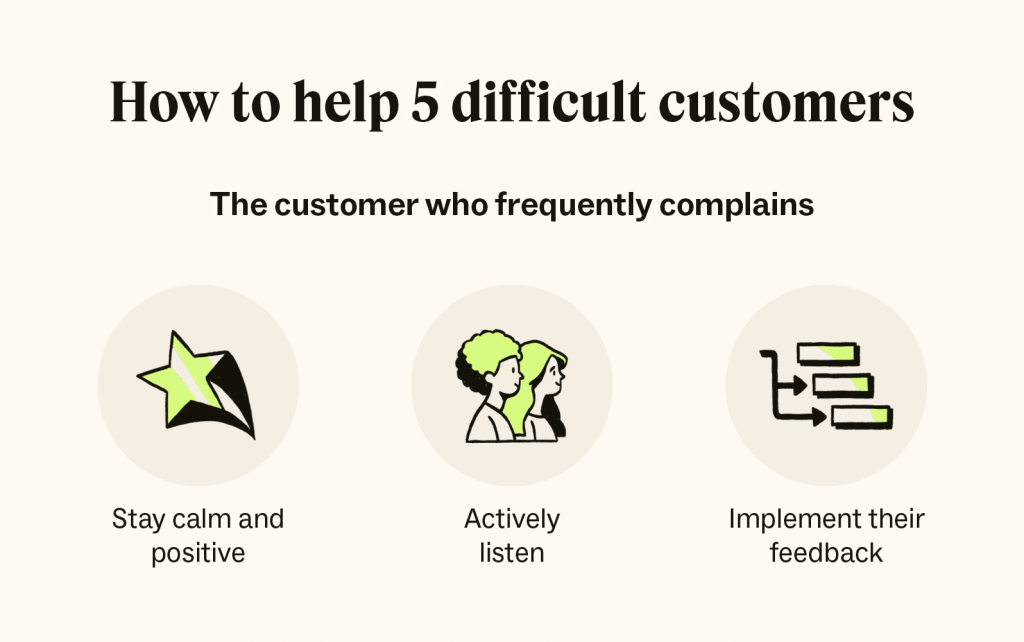
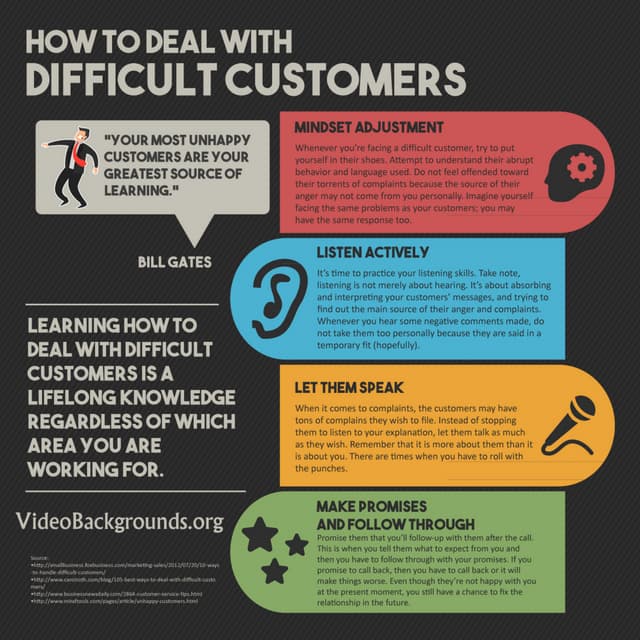
One of the most effective strategies for managing difficult customers is active listening. By being present and fully engaged in the conversation, you demonstrate that their concerns are important to you. This can help diffuse tension and build trust, ultimately leading to a more productive interaction.
Tips for Active Listening
- Maintain eye contact to show that you are focused on the customer.
- Ask open-ended questions to encourage them to share their perspective.
- Paraphrase their concerns to demonstrate that you understand their point of view.

Personalize the Interaction
Treating difficult customers with empathy and respect can go a long way in resolving conflicts. By acknowledging their emotions and addressing them in a compassionate manner, you can help them feel heard and valued. Personalizing the interaction can also help establish a positive rapport and make it easier to find common ground.
Ways to Personalize the Interaction
- Use the customer’s name throughout the conversation to create a sense of familiarity.
- Validate their feelings by expressing understanding and empathy.
- Offer personalized solutions that address their specific needs and concerns.
Setting Boundaries
While it’s important to empathize with difficult customers, it’s equally crucial to establish boundaries to protect yourself from abusive behavior. Clearly outlining what is and isn’t acceptable during the interaction can help prevent the situation from escalating and ensure a respectful exchange.
Establishing Boundaries
- Politely but firmly communicate your limits and expectations.
- Redirect the conversation if it becomes hostile or disrespectful.
- Know when to involve a supervisor or manager for additional support.

Stay Calm and Professional
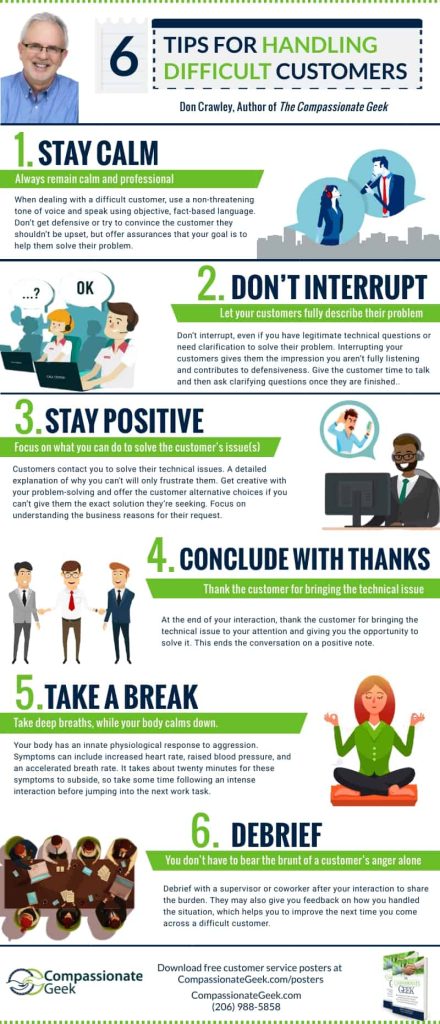
Maintaining your composure in the face of difficult customers is essential for resolving conflicts effectively. By staying calm and professional, you can demonstrate your ability to handle challenging situations with grace and poise. This can also help de-escalate the tension and foster a more cooperative dialogue.
Tips for Staying Calm
- Take deep breaths to center yourself and stay grounded.
- Use a calm and steady tone of voice to convey professionalism.
- Avoid taking their behavior personally and focus on finding a solution.
Problem-Solving Approach
Approaching difficult customers with a problem-solving mindset can help you address their concerns in a constructive manner. By focusing on resolving the issue rather than assigning blame, you can work together to find a mutually beneficial solution. This approach can also demonstrate your commitment to customer satisfaction and willingness to go the extra mile to meet their needs.
Problem-Solving Techniques
- Identify the root cause of the customer’s concern to understand their perspective.
- Brainstorm potential solutions together to find a resolution that meets their needs.
- Follow up with the customer to ensure that the issue has been successfully resolved.

Offer Alternatives and Options
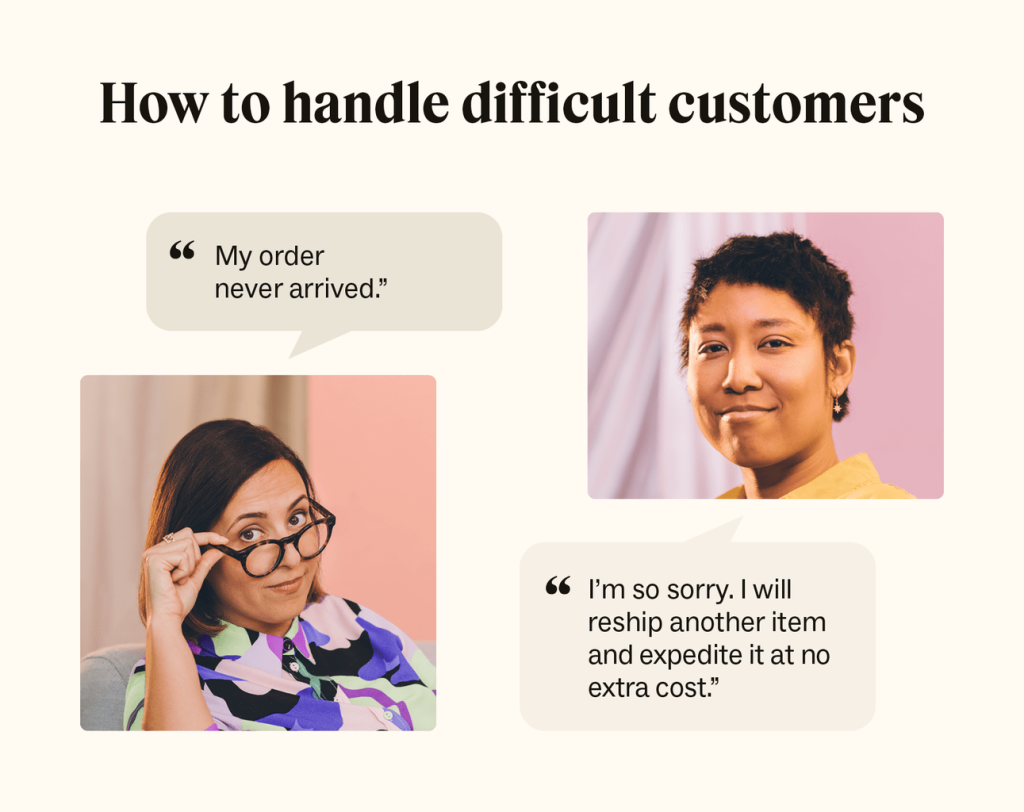
Sometimes, difficult customers may have unrealistic expectations or demands that cannot be met. In such cases, offering alternatives and options can help you navigate the situation more effectively. By presenting different solutions and choices, you can empower the customer to make decisions that align with their needs and preferences.
Providing Alternatives
- Propose alternative products or services that may better suit their needs.
- Offer discounts or incentives to compensate for any inconvenience they may have experienced.
- Collaborate with the customer to explore different options and find a mutually satisfactory resolution.
Seek Feedback and Follow-Up
After resolving a conflict with a difficult customer, it’s important to seek feedback and follow up to ensure their satisfaction. By actively soliciting their input and addressing any lingering concerns, you can strengthen the customer relationship and demonstrate your commitment to quality service.
Importance of Feedback
- Ask the customer for feedback on their experience to gain valuable insights.
- Follow up with the customer to confirm that the issue has been resolved to their satisfaction.
- Use their feedback to improve your customer service processes and prevent similar issues in the future.

Dealing with Aggressive Behavior
In some cases, difficult customers may exhibit aggressive or hostile behavior that can be challenging to manage. It’s important to prioritize your safety and well-being in these situations and take appropriate steps to diffuse the tension and protect yourself from harm.
Dealing with Aggressive Customers
- Remain calm and composed to avoid escalating the situation.
- Politely but firmly ask the customer to lower their voice and refrain from abusive language.
- Remove yourself from the situation if the customer becomes physically threatening and seek assistance from security or law enforcement if necessary.
Conclusion
Handling difficult customers requires a combination of empathy, communication skills, and problem-solving abilities. By adopting a customer-centric approach and prioritizing their needs, you can effectively manage conflicts and ensure a positive outcome. Remember to stay calm, professional, and focused on finding solutions that meet the customer’s expectations. By following these effective strategies, you can turn challenging interactions into opportunities to strengthen customer relationships and showcase your commitment to exceptional service.