



As a business owner, you know that every potential client matters.
But the real challenge lies in converting these prospects into loyal customers. One of the most important aspects of making a sale is the follow-up.
In fact, studies show that it takes an average of eight touches to convert a potential customer into a buyer.
So, how do you master the art of the follow-up? In this blog post, we'll explore six tips that will help you turn your prospects into paying customers.
1. Building Stronger Relationships: Why Personalisation is Key


Partnership agreement. shake hands in the office, make a deal
In a world where consumers are constantly bombarded with marketing messages, building a strong relationship with your prospects has become more important than ever before.
Personalisation is one of the most effective ways to do this. By taking the time to understand your prospects and tailor your approach accordingly, you can build a genuine connection with them that will lead to long-term customer loyalty.
A. Personalisation builds trust
When your prospects feel like you understand their needs and preferences, they’re more likely to trust you.
By addressing them by name and referencing specific things they’ve mentioned in previous conversations, you show that you’re paying attention and that you care about their individual needs.
This can help to break down some of the barriers that often exist in sales conversations and enable you to build a stronger connection with your prospects.
B. Personalisation increases engagement
When your prospects receive a message that’s tailored specifically to them, they’re far more likely to engage with it.
This could include responding to an email, scheduling a call or attending a webinar. When you take the time to personalise your outreach, it shows that you’ve done your homework and that you’re invested in their success. This can be a powerful motivator for prospects who are considering whether or not to work with you.
C. Personalisation helps you stand out
In a crowded marketplace, it can be difficult to differentiate yourself from your competitors. But, by using personalisation to show that you’re invested in your prospects’ success, you can set yourself apart from the competition.
When you take the time to understand your prospects’ unique needs and tailor your approach accordingly, you’re more likely to create a lasting impression that will set you apart from others who simply send generic sales messages.
D. Personalisation improves customer loyalty
Ultimately, personalisation is one of the most effective ways to build strong, long-term relationships with your customers. When you show that you care about their individual needs and preferences, you create a deeper connection that goes beyond the transactional.
This can help to build customer loyalty over time, making it more likely that they’ll continue to work with you and recommend you to others.
In today’s world, personalisation is key to building strong relationships with your prospects and customers. By taking the time to understand their needs and tailor your approach accordingly, you can build trust, increase engagement, stand out from the competition, and improve customer loyalty.
While it may require some extra effort, the results are well worth it in the long run. So, take the time to personalise your outreach and start building stronger relationships today.
2. Don't Give Up: The Art of Persistence in Follow-Ups


A person sees a white inscription on a black smartphone display that holds in his hand. Follow up
In the world of business, following up on important tasks is crucial. It could be following up on potential clients, job applications, or pitches for new projects. However, not receiving a reply after a follow-up can be discouraging, causing many to give up.
But experts know that being persistent is the key to success. Following up on a regular basis is essential until you get a response.
A. Why Persistence is Important
Often, people think that following up with a lead, client, or employer, is annoying or even rude. However, the opposite is true.
Following up shows that you are committed and determined.
Research shows that most people give up after the first or second follow-up, while statistical data proves that it takes 5 to 7 touchpoints to get someone's attention effectively. The lack of persistence could be the reason you didn't get the project or the job, and someone else did.
B. Know When to Follow-Up
As people rightfully say, “there's a right time for everything.” The same goes for follow-ups. Following up too quickly or too late could result in someone ignoring your message.
Finding the right balance between being persistent and overbearing is critical. Try not to follow up too frequently, as that could come across as pushy and desperate, make sure there's a reasonable gap between each message.
C. Be Creative in Your Approach
The art of persistence requires creativity to capture someone's attention effectively.
You could try some innovative approaches to grab their attention. For instance, a personalized video message, sending a handwritten card, something that will stand out in a crowded inbox.
It's always the little things that make the big difference.
D. Keep Your Tone Positive
Finally, always keep your tone light and engaging. Just because you haven't heard back doesn't mean they're not interested. Assume that they're busy and that they will eventually get back to you.
When you follow up, reiterate your interest in the project and how you can add value. Keeping your tone positive could mean the difference between being a pest and getting hired.
In conclusion, persistence is an essential quality in follow-ups. Learning how to follow up effectively could be the difference between landing that job or project and never hearing back. Persistence doesn't equal being a pest, but it does require creativity, timing, and a positive tone.
Don't be disheartened if you don't receive a reply after your first follow-up. Keep following up on a regular basis and know when to reach out. Persistence pays off in the end!
3. Why Using Multiple Channels is Essential When Following Up With Prospects


Business working times concept people work typing on laptop computer overlay with in time clock to lunch break
As a sales professional, following up with prospects is an essential part of the process. However, relying solely on email can limit your reach and hurt your chances of building a relationship with potential customers. That's where using multiple channels comes in.
A. Increase Your Reach:
Using multiple channels allows you to reach out to prospects in different ways, increasing the chances of catching their attention. For instance, if you have been trying to connect with a prospect through email, but they haven't responded, try reaching out on LinkedIn.
Use the platform to find common connections, mutual interests, or anything else that can act as a way to connect. By doing this, you increase the likelihood of the prospect recognizing you and your brand, and it can help widen your reach as a result.
B. Build Better Relationships:
When you engage with prospects using multiple channels, you're building a relationship that goes beyond the transactional nature of a simple email exchange.
By engaging on LinkedIn or other social media platforms, you can get to know your prospects better and learn about their interests or even the challenges they could be facing. This type of interaction can go a long way in building trust and comfort, which are crucial to closing a deal.
C. Adapt to Different Preferences:
Not all prospects prefer the same communication channels. Some may prefer phone calls, while others would rather get a message on LinkedIn or send you an email.
By using multiple channels, you can adapt to the customer's preferences, making the entire sales process smoother and more efficient. It also adds versatility to your approach giving a better understanding of different channels of communication with the customer.
D. Stay Top of Mind:
Following up using multiple channels also keeps you top of mind for potential customers. Suppose someone has a question about your company and reaches out via LinkedIn or email, and you respond promptly and with effectively.
That person is more likely to remember you and will immediately connect your name with expertise in this area. Consistent engagement with your prospects via different channels will help keep you top of mind, and position you better in their buying decision processes.
E. More Opportunities to Add Value:
Finally, using multiple channels allows you to provide even more value to your prospects. Whether it's by sharing an insightful article, connecting them with one of your other clients, or just offering information and answer they might be looking for - these conversations can take place over multiple channels.
Use different means of communication to seamlessly add merit to ensure customers have all the information they need, leaving no stone unturned. In conclusion, using multiple channels is essential when following up with prospects.
It will help you increase your reach, build better relationships, adapt to customers' preferences, stay top of mind and even add more value to your prospects.
The key is to ensure the engagement is more than just asking for a sale - but to build a relationship. It's all about creating a more in-depth conversation and a better understanding of the customer's needs, visions, as well as objections using different channels which will eventually result in better sales.
4. The Importance of Timing in Follow-Up Communication


Text sign showing Follow Up. Business photo text a continuation of something that has already been started
When it comes to follow-up communication with potential clients or employers, timing is crucial. A follow-up email or call can make a significant difference in the outcome of your business deal or job application. However, sending too early or too late could hinder progress as well.
A. Wait for the right moment
The first step towards effective follow-up communication is waiting for the right moment. If you follow up too soon, you risk the recipient perceiving your eagerness as desperation.
On the other hand, waiting too long could lead to the potential client or employer losing interest. It's essential to find the delicate balance and make sure the person you're following up with is ready to move forward.
A week after your initial communication could be a good rule of thumb to give them enough time to respond and decide.
B. Use the past as a guide
Another way to determine the right time to follow-up is by looking at past communication. If the potential client or employer typically responds within a certain timeline, you can use that past behaviour as a guide.
If they have not responded in the past, it may be more appropriate to assume their lack of interest rather than reaching out.
Additionally, if there was a specific deadline discussed in your previous communication, make sure to follow up after that deadline has passed.
C. Personalisation is Key
When following up, it's crucial to personalize your message as much as possible. If you send a generic, cookie-cutter follow-up email, it could easily get overlooked or deleted.
The person on the other end wants to feel like you care enough about their specific situation to put some thought into your message. Using personalized language, acknowledging their needs, and following up on any key points can help your follow-up stand out in their inbox.
D. Understand their perspective
It's essential to think about the other person's perspective when following up. Consider their schedule, workload, and other factors that might be impacting their decision-making process.
If your potential client or employer seems uninterested, could it be due to a busy schedule, competing priorities, or uncertainty about the decision?
Consider these factors before sending another follow-up message that could come off as pushy… that’s the last thing you want!
E. Have a clear call to action
Finally, it's always important to have a clear call to action in your follow-up message. Whether it's scheduling a call, setting up a meeting, or simply checking in for an update, make sure the person on the other end understands the purpose of your message.
Additionally, including a clear call to action can increase the chances of a response and ultimately lead to a more successful outcome.
To sum up, timing is essential when it comes to follow-up communication. Following up too soon or too late can harm your chances of developing a business relationship or getting the job you desire.
By waiting for the right moment, personalizing your messages, considering the other person's perspective, and having a clear call to action, you can significantly increase your chances of success. Remember that patience is key, but persistence is key as well, and finding that delicate balance will make a significant difference in your communication strategy.
5. The Importance of Providing Value in Follow-Ups

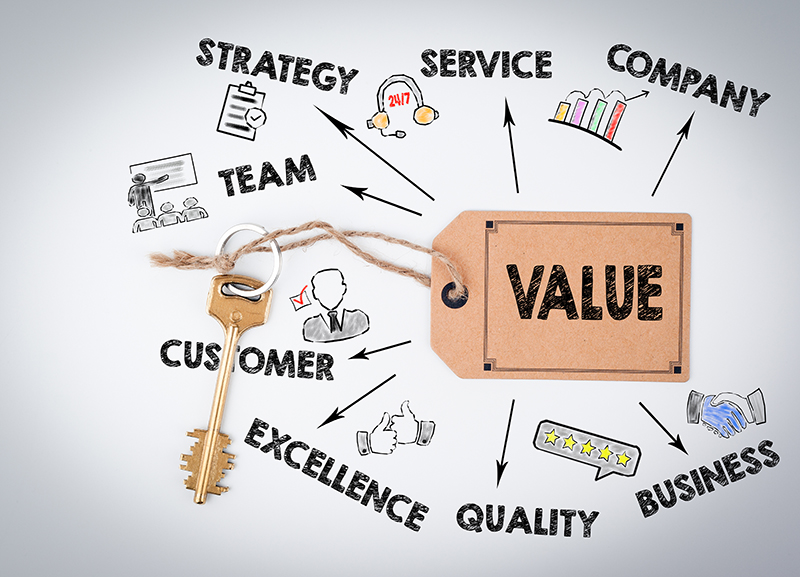
Value Concept. Key and a note on a white background.
Following up with potential clients is an important aspect of any business. It shows that you are interested in their business and want to help them achieve their goals.
However, sending a generic follow-up email can be ineffective, and may not capture the attention of your prospect. Instead, focusing on providing value in your follow-ups is a great way to demonstrate your expertise, build trust, and increase the likelihood of closing the sale.
A. Understanding Your Prospect's Needs
The first step in offering value in your follow-ups is to understand your prospect's needs. This requires active listening during your initial conversation.
Take note of what they are looking for, their budget, and their timeline. Then, use this information to provide them with something that meets their specific needs.
You could send them a resource or article that addresses their questions or offer a discount that aligns with their budget. By doing so, you are showing that you have taken the time to understand their unique situation and are willing to work with them to find a solution.
B. Tailoring Your Follow-Up Message
In addition to providing relevant information, it's essential to tailor your follow-up message to your prospect.
This means using their name and referencing something specific from your conversation. By personalizing your message, you set yourself apart from others who may be sending generic follow-ups.
An easy way to do this is to use a customer relationship management (CRM) tool that stores notes and provides reminder alerts for follow-ups. This way, you can reference their specific situation and provide value based on their unique needs and preferences.
C. Providing Ongoing Support
Providing value in your follow-ups doesn't end after the initial conversation. By offering ongoing support, you can demonstrate your commitment to your clients.
This can involve sending them valuable resources, checking in on their progress, and providing additional consultations as needed. When you provide ongoing support, you build a relationship with your clients and show that you are invested in their success.
Not only does this increase the likelihood of repeat business, but it also generates positive reviews and referrals.
D. Adding a Personal Touch
While technology makes follow-ups easier, it's important not to lose the personal touch. This could mean sending a handwritten note or a small gift as a way to thank them for their time and interest.
By going the extra mile, you are creating a memorable experience that sets you apart from your competitors.
When you add a personal touch, you also demonstrate your attention to detail and your willingness to put in the effort to build a strong relationship with your clients.
D. Measuring Your Success
Finally, to ensure that your follow-ups are providing value, it's important to measure your success. This could involve tracking your email open and response rates or using customer feedback tools to see how your prospects are responding.
By analysing the data, you can see what's working and what's not, and adjust accordingly. This ensures that you are continuously providing value to your prospects and building a strong pipeline of potential clients.
Providing value in your follow-ups is an effective way to position yourself as an expert, build trust, and increase your chances of closing a sale.
By understanding your prospect's needs, tailoring your message, providing ongoing support, adding a personal touch, and measuring your success, you can create a strong follow-up strategy that sets you apart from your competitors.
Remember, a little effort goes a long way, and by providing value, you show your potential clients that you are invested in their success.
6. The Power of Analysing and Adjusting Your Follow-Up Strategy


Man and woman working in the office. Collaborative teamwork. People are trying to connect couple puzzle piece. Symbol of association and connection. Concept of business strategy.
As a salesperson, one of the most important aspects of your job is following up with potential customers. However, simply reaching out to someone isn't always enough to seal the deal.
That's why it's crucial to analyse the results of your follow-ups and adjust accordingly. In this blog post, we'll explore the power of analysing and adjusting your follow-up strategy, including why it's important, how to do it, and the benefits it can bring to your sales process.
First, let's talk about why analysing and adjusting your follow-up strategy is so important.
Remember, not all customers are the same.
What works for one person might not work for another, and what resonates with one prospect might leave another cold. That's why it's crucial to constantly evaluate the results of your follow-ups.
By doing so, you can identify what's working and what's not and adjust your approach accordingly. This not only helps you build stronger relationships with your customers, but it can also help you close more sales.
So, how do you analyse and adjust your follow-up strategy?
The first step is to track your interactions with prospective customers. This can be done through a CRM or even a simple spreadsheet. Record the date of your follow-up, the method you used (e.g. email, phone call, social media), and the response you received, if any.
Once you have this information, you can start to identify patterns and trends. Are certain methods of follow-up getting better results than others? Are there certain times of day or days of the week when prospects are more likely to respond?
Use this information to adjust your strategy going forward.
Another important aspect of analysing and adjusting your follow-up strategy is being willing to experiment. If you're not getting any response at all, it's time to try a different approach. For example, if you've been sending emails without much success, consider picking up the phone or even sending a physical letter.
Don't be afraid to shake things up and try something new. Similarly, if you notice that your prospects are responding better to a specific method, focus on that. For example, if you find that sending follow-up emails on Tuesdays at 10am gets the best response rate, make that a part of your regular routine.
Consistent evaluation is key to refining and honing your strategy over time. By regularly analysing the results of your follow-ups and adjusting accordingly, you can build stronger relationships with your prospective customers and close more sales.
Don't be afraid to experiment, be willing to try new things, and always be open to feedback. With the right approach, you can turn follow-up into a powerful sales tool that sets you apart from the competition.
Following up with potential customers can be challenging, but analysing and adjusting your follow-up strategy can help you achieve better results. By tracking your interactions, identifying patterns, and being willing to experiment, you can refine your approach and build stronger relationships with your prospects.
Whether you're just starting out in sales or you're a seasoned pro, the power of analysing and adjusting your follow-up strategy can't be overstated.