


In today’s interconnected world, digital marketing integration has become more essential than ever for companies looking to establish a cohesive and impactful online presence. By seamlessly blending various digital marketing strategies such as social media, content marketing, SEO, and email marketing, businesses can create a unified and consistent brand message that resonates with their target audience. This comprehensive guide will delve into the key components of successful digital marketing integration, providing you with the knowledge and tools needed to effectively merge different online marketing channels for maximum impact. Have you ever felt overwhelmed by the vast world of digital marketing and the endless possibilities it offers for your business?

Understanding Digital Marketing Integration
Navigating through the different components of digital marketing can be challenging. From social media to email campaigns, SEO to PPC, there are so many strategies to choose from. But what if you could bring all of these elements together seamlessly to create a stronger, more cohesive marketing strategy? That’s where digital marketing integration comes in.
What is Digital Marketing Integration?
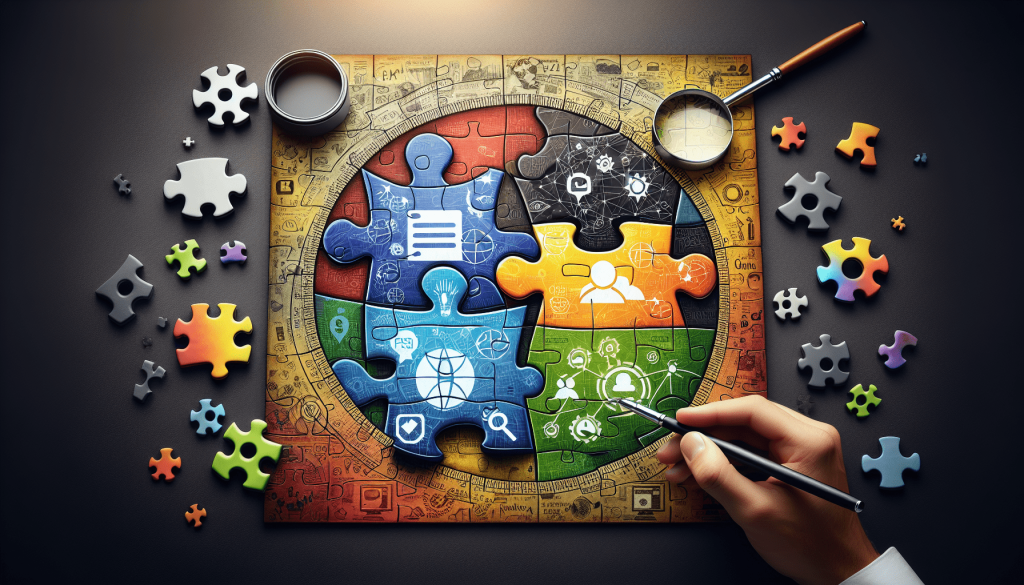
Digital marketing integration is the process of combining all of your online marketing efforts into one cohesive strategy. By aligning your messaging, branding, and goals across all channels, you can create a seamless experience for your customers and improve the overall effectiveness of your campaigns.
By integrating your digital marketing efforts, you can ensure that all of your online channels are working towards a common goal, rather than operating in silos. This can lead to increased brand awareness, higher conversion rates, and a more consistent brand experience for your customers.
Benefits of Digital Marketing Integration
When you integrate your digital marketing efforts, you can unlock a wide range of benefits for your business.
Increased Brand Consistency
Consistency is key when it comes to building a strong brand. By integrating your digital marketing efforts, you can ensure that your messaging, visuals, and voice are consistent across all channels. This can help to build brand recognition and trust with your audience.
Improved Customer Experience
Digital marketing integration can also lead to a better overall customer experience. When your messaging is consistent across all channels, customers are more likely to have a positive experience with your brand. This can lead to increased customer loyalty and higher customer retention rates.

Strategies for Digital Marketing Integration
Now that you understand the importance of digital marketing integration, let’s take a look at some strategies you can use to bring all of your online marketing efforts together.
1. Develop a Comprehensive Digital Marketing Plan
The first step in integrating your digital marketing efforts is to develop a comprehensive marketing plan. This plan should outline your goals, target audience, key messages, and strategies for each online channel. By creating a roadmap for your digital marketing efforts, you can ensure that all of your online campaigns are working towards a common goal.
2. Use a Multi-Channel Approach
One of the keys to successful digital marketing integration is using a multi-channel approach. This means leveraging multiple online channels, such as social media, email, SEO, and PPC, to reach your target audience. By using a mix of online channels, you can effectively engage with customers at different stages of the buying journey.
3. Implement Marketing Automation Tools
Marketing automation tools can be a game-changer when it comes to digital marketing integration. These tools can help you automate repetitive tasks, such as email campaigns, social media posting, and lead scoring. By automating these processes, you can free up time to focus on more strategic aspects of your marketing strategy.
4. Analyze and Optimize Your Campaigns
Another important aspect of digital marketing integration is analyzing and optimizing your campaigns. By regularly monitoring the performance of your online campaigns, you can identify areas for improvement and make data-driven decisions to optimize your strategy. This can help you maximize the effectiveness of your marketing efforts and achieve better results.
Challenges of Digital Marketing Integration
While digital marketing integration offers a wide range of benefits, it also comes with its fair share of challenges.
Siloed Data
One common challenge of digital marketing integration is siloed data. When your online channels are not connected, it can be difficult to get a complete view of your customer journey. This can lead to missed opportunities and ineffective targeting.
Lack of Communication
Another challenge of digital marketing integration is a lack of communication between different teams within your organization. When different departments are operating in silos, it can be challenging to align on key messaging and goals. This can result in inconsistent branding and a disjointed customer experience.
Overcoming the Challenges
While digital marketing integration may come with its challenges, there are steps you can take to overcome these obstacles and create a more cohesive online strategy.
Break Down Silos
To overcome the challenge of siloed data, it’s important to break down the barriers between your online channels. This may involve integrating your marketing tools and systems to ensure that data flows seamlessly between platforms. By centralizing your data, you can gain a more comprehensive view of your customer journey and make more informed decisions.
Foster Cross-Department Collaboration
To address the challenge of lack of communication, it’s essential to foster collaboration between different teams within your organization. By bringing together marketing, sales, and customer service teams, you can ensure that everyone is aligned on key messaging and goals. This can lead to a more cohesive brand experience for your customers and improved overall marketing effectiveness.
Conclusion
In conclusion, digital marketing integration is a powerful strategy for bringing all of your online marketing efforts together into one cohesive plan. By aligning your messaging, branding, and goals across all channels, you can create a seamless experience for your customers and unlock a wide range of benefits for your business. From increased brand consistency to improved customer experience, digital marketing integration can help take your online marketing strategy to the next level. By following the strategies outlined in this guide and overcoming the challenges that may arise, you can create a more effective and successful online marketing strategy for your business.