


In “The Ultimate Guide to Social Selling Techniques,” you will discover a comprehensive overview of effective strategies for leveraging social media to drive sales and build relationships with potential customers. This article will provide you with valuable insights and practical tips on how to maximize your online presence, engage with your audience authentically, and ultimately convert leads into loyal clients. Whether you are a beginner looking to expand your knowledge or a seasoned professional wanting to refine your approach, this guide offers something for everyone in the ever-evolving world of social selling. Have you ever struggled with effectively selling your products or services on social media? Whether you’re new to the world of social selling or looking to enhance your current strategies, this ultimate guide is here to help you navigate through the world of social selling techniques.


Understanding Social Selling
Social selling is the use of social media platforms to connect, engage, and build relationships with potential customers. It involves using social media tools and techniques to identify, engage, and nurture leads throughout the buying process. Understanding the fundamentals of social selling is crucial for success in today’s digital marketing landscape.
Importance of Social Selling
Social selling allows you to reach a broader audience, establish credibility, and build trust with potential customers. By creating authentic and meaningful connections with your audience, you can drive brand awareness, generate leads, and ultimately increase sales. In today’s competitive market, utilizing social selling techniques is essential for staying ahead of the game.

Building Your Social Selling Strategy
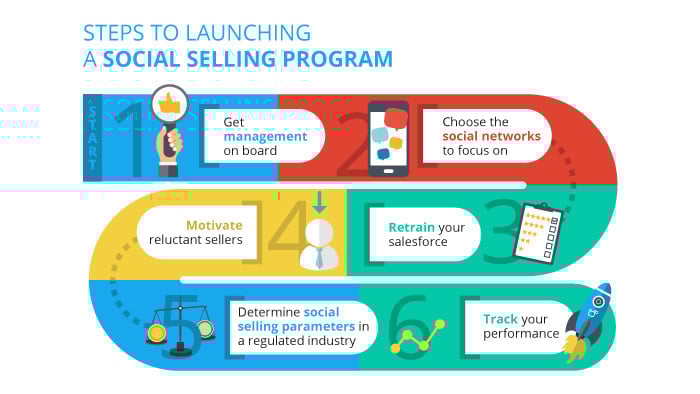
To effectively utilize social selling techniques, you need to develop a comprehensive strategy that aligns with your business goals and target audience. Your social selling strategy should outline your objectives, target audience, key metrics, content plan, and engagement tactics. By creating a well-thought-out social selling strategy, you can maximize your efforts and achieve your sales goals.
Setting Clear Goals
Before diving into social selling, it’s essential to establish clear, measurable goals that align with your business objectives. Whether your goal is to increase brand awareness, generate leads, or drive sales, having a clear understanding of what you want to achieve will help guide your social selling efforts. Setting specific, achievable goals will allow you to track your progress and measure the success of your social selling strategy.
Identifying Your Target Audience
Knowing your target audience is key to the success of your social selling efforts. By understanding the demographics, interests, and pain points of your ideal customers, you can tailor your messaging and content to resonate with them. Conducting market research and creating buyer personas will help you identify your target audience and develop a more personalized approach to social selling.
Creating a Content Plan
Content plays a crucial role in social selling, as it allows you to provide value to your audience and showcase your expertise. A well-crafted content plan should include a mix of educational, promotional, and engaging content that speaks to the needs and interests of your target audience. By consistently sharing valuable content, you can build credibility, establish trust, and attract potential customers to your brand.
Engagement Tactics
Engagement is key to building relationships and driving conversions on social media. To effectively engage with your audience, you can utilize tactics such as responding to comments, participating in relevant conversations, and sharing user-generated content. By engaging with your audience in a genuine and authentic manner, you can foster relationships, demonstrate your expertise, and drive sales through social selling.

Leveraging Social Media Platforms
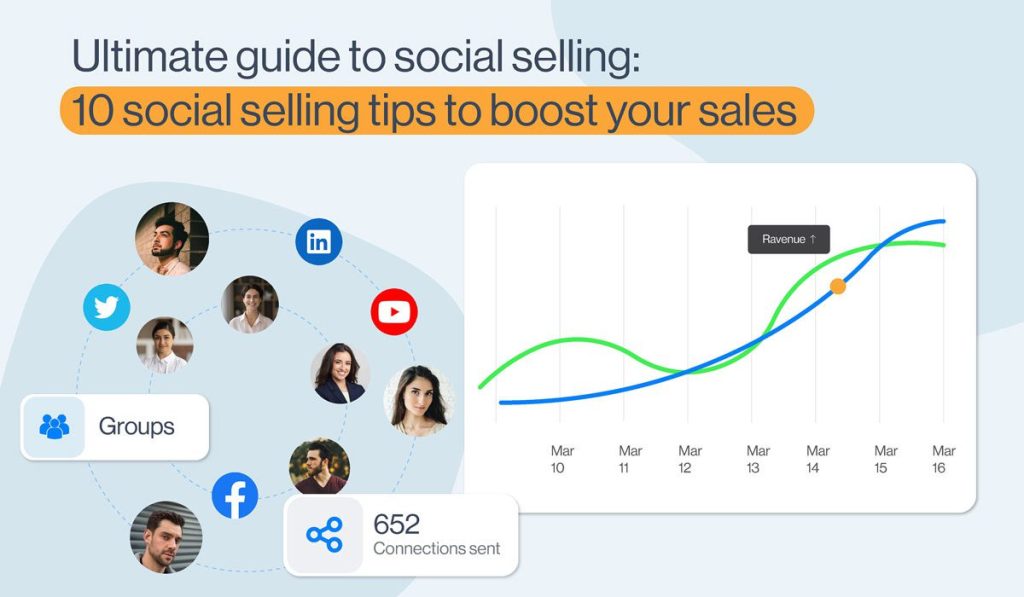
There are a variety of social media platforms available for social selling, each with its unique features and benefits. To maximize your social selling efforts, it’s essential to choose the right platforms that align with your target audience and business goals. By leveraging the power of social media platforms, you can reach a wider audience, engage with potential customers, and drive conversions.
Facebook is one of the most popular social media platforms for social selling, with over 2.7 billion active users. With a robust advertising platform, Facebook allows you to target specific demographics, interests, and behaviors to reach your ideal customers. By creating engaging content, running targeted ads, and leveraging Facebook groups, you can effectively connect with your audience and drive sales through social selling.
Instagram is a visually-oriented platform that is perfect for showcasing products, services, and lifestyle content. With over 1 billion monthly active users, Instagram offers a variety of features such as Stories, Reels, and IGTV that allow you to engage with your audience in creative ways. By creating visually appealing content, collaborating with influencers, and utilizing shoppable posts, you can leverage Instagram for social selling success.
LinkedIn is a professional networking platform that is ideal for B2B social selling. With over 700 million members, LinkedIn offers a variety of tools and features that allow you to connect with decision-makers, professionals, and industry influencers. By optimizing your profile, participating in relevant groups, and sharing thought leadership content, you can build relationships, generate leads, and drive sales on LinkedIn.
Twitter is a real-time platform that is perfect for engaging with your audience, sharing updates, and participating in industry conversations. With over 330 million active users, Twitter offers a unique opportunity to connect with customers, prospects, and industry thought leaders. By using hashtags, creating compelling tweets, and engaging in conversations, you can increase brand visibility, drive traffic, and generate leads through social selling on Twitter.
Implementing Social Selling Best Practices
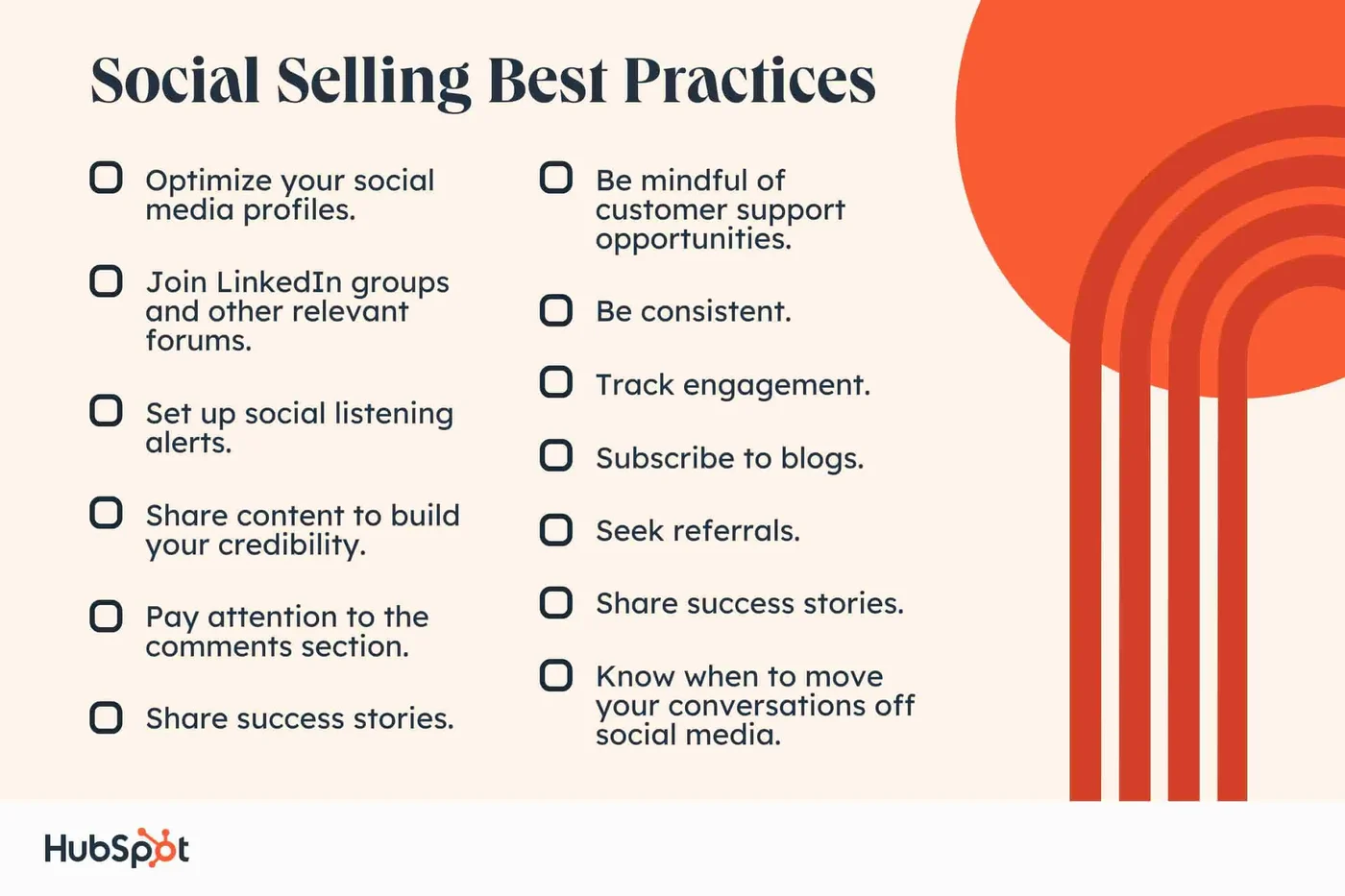
To achieve success with social selling, it’s important to adhere to best practices that will help you maximize your efforts and drive results. By following these best practices, you can effectively connect with your audience, build relationships, and drive conversions through social selling.
Consistency is Key
Consistency is essential for maintaining visibility, building credibility, and engaging with your audience on social media. By consistently sharing valuable content, responding to comments, and participating in conversations, you can establish a strong online presence and attract potential customers to your brand. Consistency in your social selling efforts will help you build trust, nurture relationships, and ultimately drive sales.
Listen and Respond
Listening to your audience and responding to their needs is crucial for effective social selling. By actively monitoring social media conversations, responding to comments, and addressing customer inquiries, you can demonstrate your commitment to providing value and customer satisfaction. Listening to your audience will help you identify opportunities, address concerns, and build stronger relationships through social selling.
Provide Value
Providing value to your audience is essential for building relationships, establishing credibility, and driving conversions through social selling. By creating educational, informative, and entertaining content that addresses the needs and interests of your audience, you can attract potential customers to your brand and differentiate yourself from competitors. Providing value through your social selling efforts will help you build trust, loyalty, and brand advocates.
Personalize Your Approach
Personalization is key to building meaningful relationships and driving conversions through social selling. By tailoring your messaging, content, and engagement tactics to the individual needs and preferences of your audience, you can create a more personalized and relevant experience for potential customers. Personalizing your approach will help you connect on a deeper level, foster trust, and increase the likelihood of conversions through social selling.

Measuring Success and Optimization
To track the effectiveness of your social selling efforts and optimize your strategies for better results, it’s essential to measure key metrics and analyze performance data. By monitoring your progress, identifying areas for improvement, and making data-driven decisions, you can refine your social selling strategies and achieve your sales goals.
Key Metrics to Measure
When measuring the success of your social selling efforts, there are several key metrics that you should track to evaluate performance and identify opportunities for improvement. Some key metrics to measure include:
- Engagement rate: Measure the level of interaction and engagement with your content on social media.
- Lead generation: Track the number of leads generated through your social selling efforts.
- Conversion rate: Measure the percentage of leads that convert into customers through social selling.
- Return on investment (ROI): Analyze the financial impact of your social selling efforts and calculate the ROI.
Analyzing Performance Data
Analyzing performance data is crucial for understanding the effectiveness of your social selling strategies and identifying areas for improvement. By tracking key metrics, analyzing engagement data, and conducting A/B testing, you can gain valuable insights into what’s working and what’s not. Analyzing performance data will help you optimize your social selling strategies, drive better results, and achieve your sales goals.
Optimization Strategies
To optimize your social selling strategies for better results, you can implement a variety of tactics that will help you refine your approach and maximize your efforts. Some optimization strategies to consider include:
- A/B testing: Experiment with different content formats, messaging, and tactics to determine what resonates best with your audience.
- Audience segmentation: Segment your audience based on demographics, interests, and behaviors to deliver more personalized and targeted content.
- Social listening: Monitor social media conversations, trends, and feedback to identify opportunities and tailor your content accordingly.
- Performance analysis: Analyze key metrics, performance data, and customer feedback to refine your social selling strategies and drive better results.

Conclusion
In conclusion, social selling is a powerful strategy that can help you connect with your audience, build relationships, and drive conversions through social media. By understanding the fundamentals of social selling, developing a comprehensive strategy, leveraging social media platforms, implementing best practices, and measuring success, you can achieve your sales goals and maximize your efforts through social selling techniques. Remember to stay consistent, provide value, personalize your approach, and optimize your strategies for better results. With the right mindset and approach, you can succeed in the world of social selling and take your business to new heights.