


In order to make informed decisions about your business, it is crucial to have a deep understanding of market analysis. By analyzing trends, competition, and consumer behavior, you can gain valuable insights that will drive the success of your company. Being able to interpret data and forecasts will allow you to anticipate changes in the market and adapt your strategies accordingly. Stay tuned as we delve into the importance of market analysis and how it can impact your business. Have you ever wondered how businesses are able to make informed decisions about their products, services, and target audience? Market analysis plays a crucial role in guiding businesses towards success. Let’s explore the importance of market analysis and how you can use it to your advantage.
What is Market Analysis?
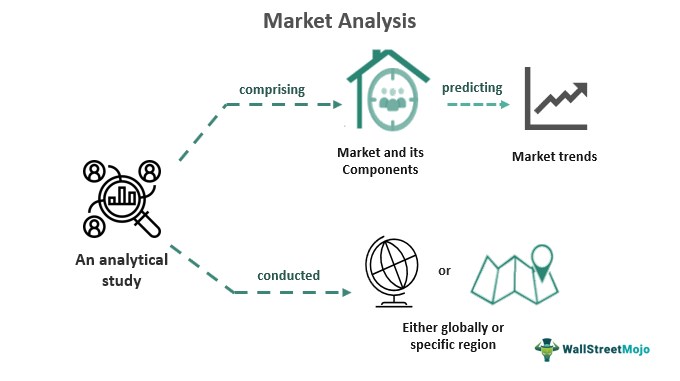
Market analysis is the process of gathering, analyzing, and interpreting information about a particular market in order to make informed business decisions. It involves studying the market’s size, trends, competition, and customer preferences. By conducting a thorough market analysis, businesses can identify opportunities, assess risks, and develop effective marketing strategies.
Understanding market analysis can help you gain valuable insights into your target market, competitors, and industry trends. By analyzing market data, you can make more informed decisions that can lead to business growth and success.


Why is Market Analysis Important?
Market analysis is essential for businesses of all sizes and industries. It enables businesses to understand their target audience, evaluate competition, identify market trends, and make data-driven decisions. Without market analysis, businesses may struggle to reach their target audience, stand out from competitors, and adapt to changing market conditions.
By conducting regular market analysis, businesses can stay ahead of the curve and make strategic decisions that align with their goals and objectives. Market analysis provides important information that can guide businesses in creating effective marketing campaigns, launching new products, and expanding into new markets.

How to Conduct Market Analysis
When conducting market analysis, it’s important to gather relevant data and information that can help you make informed decisions. Here are some key steps to help you conduct a thorough market analysis:
-
Identify Your Target Market: Define your target audience based on demographics, psychographics, and behavior. Understand their needs, preferences, and buying habits.
-
Analyze Competitors: Research your competitors to understand their strengths, weaknesses, pricing strategies, and market share. Identify gaps in the market that you can capitalize on.
-
Assess Market Trends: Stay up-to-date on industry trends, consumer behavior, and market dynamics. Monitor changes in the market that could impact your business.
-
Conduct SWOT Analysis: Evaluate your business’s strengths, weaknesses, opportunities, and threats. Identify areas where you can improve and capitalize on opportunities in the market.
-
Gather Market Data: Collect data from a variety of sources, such as surveys, market reports, industry publications, and customer feedback. Use data to analyze market trends and make data-driven decisions.
By following these steps, you can conduct a comprehensive market analysis that provides valuable insights into your target market, competitors, and industry trends. This information can help you make informed decisions that drive business growth and success.
Types of Market Analysis
There are several types of market analysis that businesses can use to gain insights into their target market and industry. Here are some common types of market analysis:
-
Market Segmentation Analysis: This type of analysis involves dividing the market into segments based on demographics, psychographics, and behavior. By understanding different market segments, businesses can tailor their marketing strategies to specific customer groups.
-
Competitive Analysis: Competitive analysis involves evaluating your competitors’ strengths, weaknesses, pricing strategies, and market share. By understanding your competitors, you can identify ways to differentiate your products or services and gain a competitive edge.
-
SWOT Analysis: SWOT analysis is a strategic planning tool that helps businesses identify their strengths, weaknesses, opportunities, and threats. By conducting a SWOT analysis, businesses can assess their internal capabilities and external market conditions to make informed decisions.
-
Trend Analysis: Trend analysis involves monitoring changes in the market, consumer behavior, and industry dynamics. By analyzing trends, businesses can anticipate shifts in the market and adjust their strategies accordingly.
Each type of market analysis provides valuable insights into different aspects of the market. By combining these analyses, businesses can develop a comprehensive understanding of their target market, competitors, and industry trends.


Tools for Market Analysis
There are a variety of tools and resources that businesses can use to conduct market analysis more effectively. Here are some popular tools for market analysis:
-
Market Research Surveys: Surveys are a valuable tool for gathering feedback from customers and identifying their preferences, needs, and buying habits.
-
Competitor Analysis Tools: Tools like SEMrush, Moz, and Ahrefs can help businesses analyze competitors’ websites, keywords, and online presence to gain insights into their strategies.
-
Social Media Analytics: Platforms like Facebook Insights, Google Analytics, and Twitter Analytics provide valuable data on audience demographics, engagement, and preferences.
-
Industry Reports: Industry reports from research firms like IBISWorld, Euromonitor, and Gartner provide in-depth analysis of market trends, competitive landscape, and opportunities for businesses.
By using these tools and resources, businesses can conduct market analysis more efficiently and make data-driven decisions that align with their goals and objectives.


Benefits of Market Analysis
Market analysis offers a wide range of benefits for businesses looking to make informed decisions and improve their performance. Here are some key benefits of market analysis:
-
Identify Opportunities: Market analysis helps businesses identify new opportunities for growth, expansion, and innovation. By understanding market trends and customer preferences, businesses can capitalize on emerging opportunities.
-
Improve Decision-Making: Market analysis provides businesses with valuable insights that can help them make informed decisions about product development, marketing strategies, and business expansion.
-
Stay Competitive: By analyzing competitors and market trends, businesses can gain a competitive edge and differentiate themselves in the market.
-
Minimize Risks: Market analysis helps businesses assess risks and challenges in the market, allowing them to anticipate potential threats and develop strategies to minimize risks.
-
Increase Customer Satisfaction: By understanding customer needs, preferences, and buying habits, businesses can tailor their products and services to meet customer expectations and increase customer satisfaction.
Market analysis is a powerful tool that can help businesses achieve their goals, drive growth, and outperform competitors. By conducting regular market analysis and using the insights gained, businesses can make informed decisions that lead to success.


Conclusion
Market analysis is an essential process for businesses looking to succeed in today’s competitive market. By gathering, analyzing, and interpreting data about the market, businesses can gain valuable insights that inform their decisions and strategies.
Understanding market analysis can help you identify opportunities, assess risks, and make informed decisions that drive business growth and success. By using the right tools, conducting thorough analyses, and staying up-to-date on market trends, you can position your business for long-term success.
Remember, market analysis is an ongoing process that requires continuous monitoring and evaluation. By staying proactive and responsive to changes in the market, you can adapt your strategies and stay ahead of the competition.
If you’re looking to take your business to the next level, market analysis is a valuable tool that can help you achieve your goals. Start conducting market analysis today and gain the insights you need to succeed in today’s dynamic market.