Are You Struggling to Increase Your Channel Sales?
If you find yourself struggling to increase your channel sales, you are not alone. Many businesses face challenges when it comes to effectively selling through channels. However, with the right strategies in place, you can overcome these obstacles and see significant growth in your sales.
Understanding Channel Sales
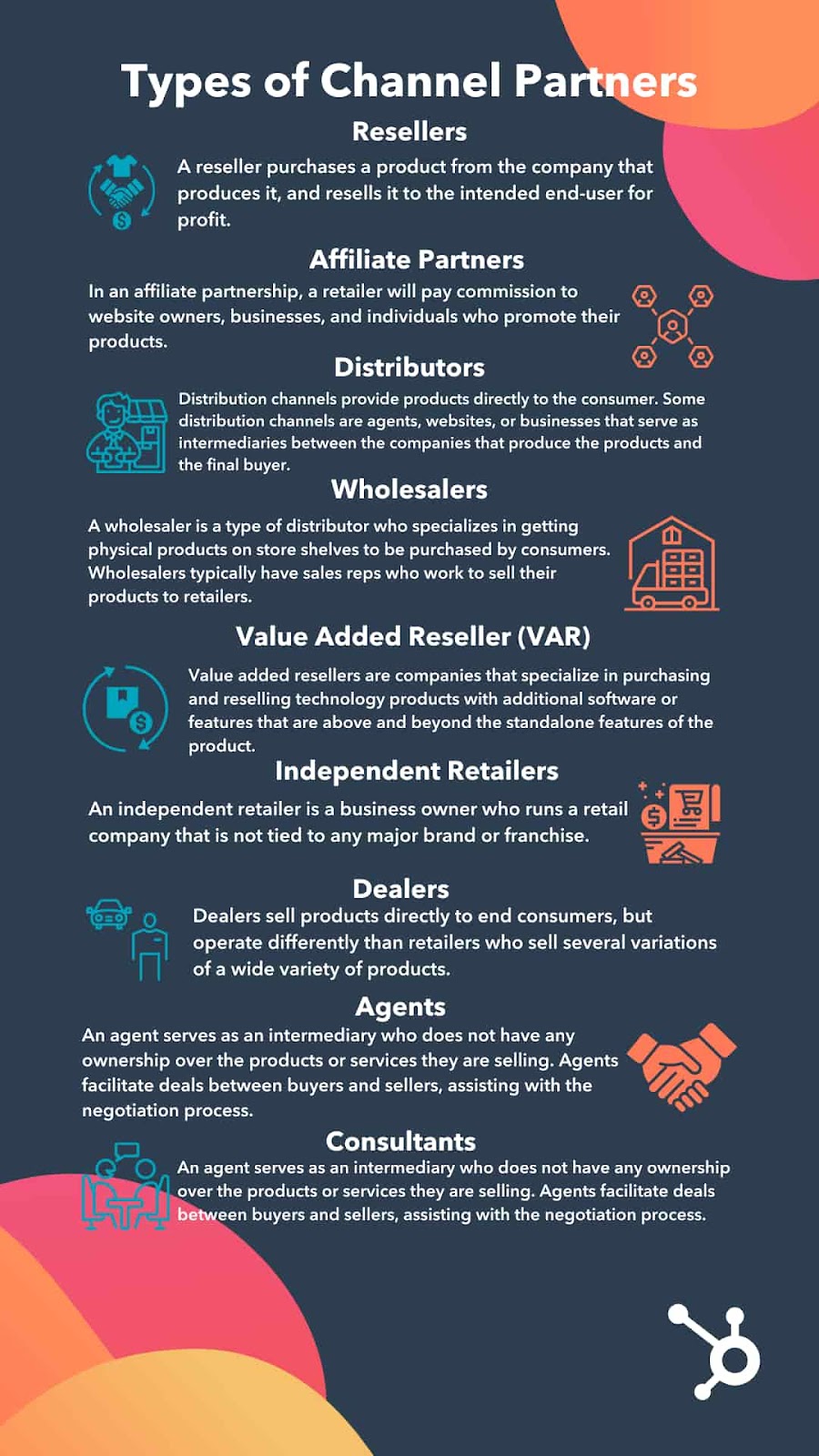
Channel sales refer to the process of selling products or services through third-party partners, such as distributors, value-added resellers, or original equipment manufacturers. This sales model allows businesses to reach a broader audience and expand their market reach. However, managing channel sales effectively requires a comprehensive strategy that takes into account the needs and preferences of both the partners and the end customers.
The Importance of Effective Channel Sales Strategies
Effective channel sales strategies are crucial for achieving success in today’s competitive business landscape. By developing a well-thought-out plan, you can maximize your sales potential, increase market share, and build strong relationships with your channel partners. Additionally, having a clear strategy in place will help you differentiate your product or service from competitors and drive growth in your business.
Developing a Channel Sales Strategy
When it comes to developing a channel sales strategy, there are several key factors to consider. By focusing on these elements, you can create a solid foundation for your sales efforts and set yourself up for success in the long run.
Identifying Your Target Market
Before you can effectively sell through channels, you need to have a clear understanding of your target market. Who are your ideal customers? What are their needs and preferences? By conducting market research and analyzing customer data, you can identify the key demographics and psychographics of your target audience and tailor your channel sales strategy to meet their specific requirements.
Setting Clear Objectives
Once you have identified your target market, the next step is to set clear objectives for your channel sales strategy. What are your sales goals? Do you want to increase revenue, expand market share, or launch a new product line? By defining your objectives upfront, you can align your sales efforts with your overall business goals and measure the success of your channel sales strategy more effectively.
| Sales Objectives | Description |
|---|---|
| Increase Revenue | Drive sales growth and generate higher revenue for the business |
| Expand Market Share | Capture a larger portion of the market and increase brand awareness |
| Launch New Product Line | Introduce a new product or service through channel partners |
Developing Strong Partner Relationships
One of the most critical aspects of effective channel sales is building strong relationships with your channel partners. These partners play a crucial role in selling your products or services to end customers, so it’s essential to establish open communication, provide training and support, and collaborate closely to drive sales growth. By investing in your partner relationships, you can create a more cohesive sales strategy and achieve better results together.
Providing Sales Training and Support
In order for your channel partners to be successful in selling your products or services, they need to have the right knowledge and skills. Providing comprehensive sales training and ongoing support is key to ensuring that your partners are equipped to effectively market and sell your offerings. By offering training programs, sales collateral, and access to resources, you can empower your partners to succeed and drive more significant results for your business.
| Sales Training Programs | Description |
|---|---|
| Product Knowledge | Understand the features, benefits, and value of your offerings |
| Sales Techniques | Learn effective sales strategies and closing techniques |
| Marketing Support | Access to marketing materials, sales collateral, and lead generation tools |

Implementing Effective Channel Sales Tactics
In addition to developing a solid channel sales strategy, it’s essential to implement effective tactics that will help you achieve your sales goals and maximize your results. By incorporating these tactics into your sales approach, you can drive more significant revenue, expand your market reach, and build stronger relationships with your channel partners.
Leveraging Digital Marketing
With the rise of digital technology, digital marketing has become an integral part of any successful channel sales strategy. By leveraging online channels such as social media, email marketing, and search engine optimization, you can reach a broader audience, generate more leads, and drive sales conversions. Digital marketing allows you to target specific customer segments, track performance metrics, and optimize your sales efforts for maximum impact.
Offering Incentives and Rewards
Incentives and rewards can be powerful motivators for your channel partners to increase sales and drive results. By offering incentives such as discounts, bonuses, or other rewards for achieving sales targets, you can incentivize your partners to prioritize your products or services and drive more significant revenue. Incentive programs can also help build loyalty and trust with your partners, encouraging long-term collaboration and mutual success.
| Incentive Programs | Description |
|---|---|
| Sales Performance Bonuses | Reward partners for achieving sales targets and driving results |
| Volume Discounts | Provide discounts on bulk purchases to incentivize larger orders |
| Marketing Development Funds | Allocate funds for partners to invest in marketing campaigns and promotional activities |
Monitoring and Measuring Performance
In order to track the effectiveness of your channel sales strategy, it’s essential to monitor and measure performance metrics regularly. By analyzing key performance indicators (KPIs) such as sales revenue, conversion rates, and customer acquisition costs, you can gain valuable insights into the success of your sales efforts and identify areas for improvement. Monitoring performance data can help you make data-driven decisions, optimize your sales tactics, and drive continuous improvement in your channel sales strategy.
Adapting to Market Changes
The business landscape is constantly evolving, and it’s essential to adapt to market changes and trends to stay competitive. By staying informed about industry developments, consumer preferences, and competitor strategies, you can proactively adjust your channel sales strategy to meet changing market demands. Being agile and flexible in your approach will enable you to take advantage of new opportunities, mitigate risks, and drive sustainable growth in your business.
Conclusion
In conclusion, developing effective channel sales strategies is essential for achieving success in today’s competitive business environment. By understanding the key elements of channel sales, setting clear objectives, building strong partner relationships, providing sales training and support, and implementing effective sales tactics, you can drive more significant revenue, expand market reach, and build a successful channel sales program. By focusing on these strategies and tactics, you can differentiate your business from competitors, maximize your sales potential, and achieve sustainable growth in the long term.