

If you’re looking to boost your online sales, implementing effective e-commerce sales strategies is crucial. By focusing on areas such as customer experience, social media marketing, and personalized recommendations, you can enhance your online presence and drive more sales. In this article, we will delve into some key strategies that can help you maximize your e-commerce sales and increase your revenue in an ever-growing digital marketplace. From optimizing your website for mobile users to utilizing data-driven insights to tailor your marketing efforts, these tactics will help you stand out from the competition and create a more engaging shopping experience for your customers. Have you been struggling to increase sales on your e-commerce website? Are you looking for effective strategies to boost online sales and take your business to the next level? If so, you’re in the right place. In this article, we will explore some proven e-commerce sales strategies that can help you attract more customers, increase conversions, and ultimately drive more revenue for your business. So grab a cup of coffee, sit back, and let’s dive into the world of e-commerce sales together.
Understanding Your Target Audience
Before you can effectively sell to your customers, you need to first understand who they are. Take the time to delve into demographics, behaviors, and preferences of your target audience. By knowing your customers inside and out, you can create more personalized marketing campaigns that resonate with them on a deeper level. This not only builds brand loyalty but also increases the likelihood of repeat purchases.
Conducting Market Research
One of the best ways to understand your target audience is by conducting thorough market research. This involves analyzing data such as age, gender, location, income level, and buying habits of your customers. Utilize tools like Google Analytics, surveys, and social media insights to gather valuable information that can help you tailor your marketing efforts to better suit your target audience.
Optimizing Your Website for Conversions
Your e-commerce website is your digital storefront, and it plays a crucial role in converting visitors into customers. By optimizing your website for conversions, you can create a seamless and user-friendly shopping experience that encourages visitors to make a purchase. From clear CTAs to fast loading times, every element of your website should be designed with conversions in mind.
Designing a User-Friendly Interface
The first step to optimizing your website for conversions is ensuring that it has a clean and user-friendly interface. Make it easy for visitors to navigate through your site, find products, and complete the checkout process. Utilize intuitive menu structures, clear product categories, and prominent search bars to enhance the user experience. Remember, a happy customer is more likely to make a purchase.
Implementing Effective CTAs
Calls-to-action (CTAs) are a powerful tool for driving conversions on your e-commerce website. Create compelling CTAs that clearly communicate the next step you want your customers to take, whether it’s adding a product to their cart, signing up for a newsletter, or making a purchase. Use action-oriented language, contrasting colors, and strategic placement to make your CTAs stand out and entice visitors to click.
Mobile Optimization
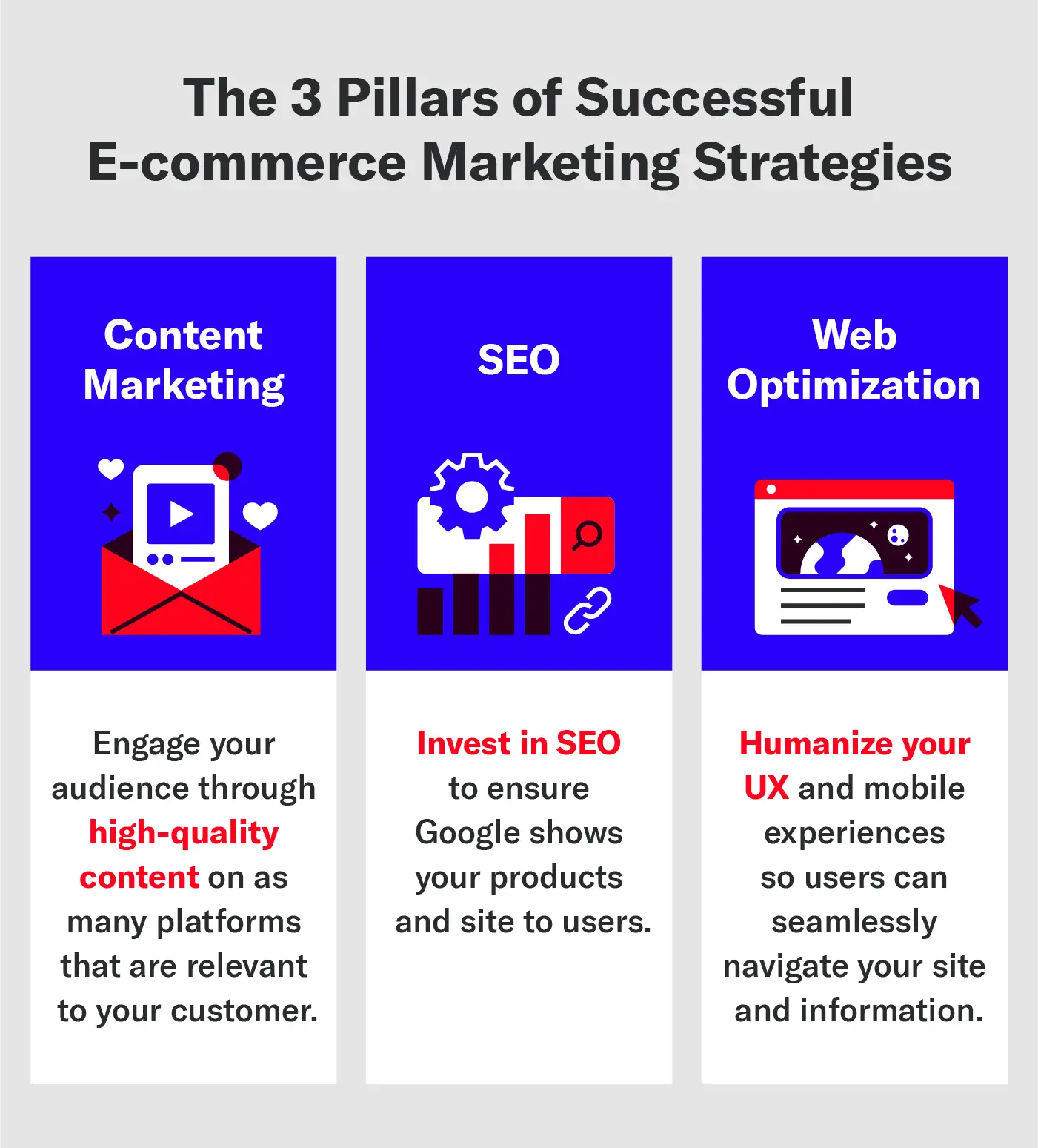
In today’s digital age, more and more people are shopping on their mobile devices. Make sure your e-commerce website is optimized for mobile to provide a seamless shopping experience for users on smartphones and tablets. Ensure that your website is responsive, loads quickly, and is easy to navigate on smaller screens. By catering to mobile users, you can tap into a larger market and increase your chances of making a sale.
Leveraging Social Proof
In a world where consumers are bombarded with advertisements and marketing messages, social proof has become a valuable asset for building trust and credibility with potential customers. By showcasing positive reviews, testimonials, and user-generated content on your e-commerce website, you can create a sense of FOMO (fear of missing out) and convince visitors to make a purchase.
Encouraging Customer Reviews
Encourage satisfied customers to leave reviews and testimonials on your website or social media platforms. Positive reviews act as social proof, reassuring potential customers that your products are of high quality and worth purchasing. Offer incentives such as discounts or giveaways to motivate customers to leave reviews and share their experiences with others.
Showcasing User-Generated Content
User-generated content, such as photos and videos of customers using your products, can be a powerful tool for persuading potential customers to make a purchase. Showcase user-generated content on your website and social media channels to demonstrate how your products are being used in real life. This not only builds trust but also creates a sense of community around your brand.
Implementing Personalized Marketing Strategies
Personalization is key to standing out in a crowded e-commerce landscape and capturing the attention of your target audience. By leveraging data and technology, you can create personalized marketing campaigns that speak directly to the individual preferences and needs of your customers. From personalized product recommendations to tailored email campaigns, there are endless ways to make your customers feel special and valued.
Utilizing Retargeting Ads
Retargeting ads are a powerful way to re-engage visitors who have shown interest in your products but haven’t made a purchase. By tracking visitors’ behavior on your website and displaying targeted ads based on their browsing history, you can remind them of the products they were interested in and encourage them to come back and make a purchase. Retargeting ads have been shown to significantly increase conversion rates and drive revenue for e-commerce businesses.
Sending Personalized Email Campaigns
Email marketing is a cost-effective way to stay in touch with your customers and drive repeat purchases. By segmenting your email list based on demographics, purchase history, and browsing behavior, you can send personalized email campaigns that are tailored to the interests of each individual subscriber. From product recommendations to special offers, personalized emails are a great way to keep your customers engaged and coming back for more.

Offering Exceptional Customer Service
In the competitive world of e-commerce, providing exceptional customer service can set you apart from the competition and earn you loyal customers for life. From fast response times to personalized interactions, every aspect of your customer service should be designed to exceed customers’ expectations and leave them with a positive impression of your brand.
Providing Live Chat Support
Live chat support is a convenient and efficient way to address customers’ questions and concerns in real-time. By providing live chat on your e-commerce website, you can offer immediate assistance to customers who need help with product recommendations, sizing information, or order tracking. Live chat can help reduce cart abandonment rates, increase customer satisfaction, and ultimately drive more sales for your business.
Offering Hassle-Free Returns
The return process can make or break a customer’s experience with your e-commerce store. Make it easy for customers to return products by offering hassle-free returns and exchanges. Clearly communicate your return policy on your website and provide clear instructions on how customers can initiate a return. By offering a seamless return process, you can build trust with your customers and encourage repeat purchases in the future.
Analyzing Data and Making Informed Decisions
In the fast-paced world of e-commerce, data is king. By analyzing key metrics and performance indicators, you can gain valuable insights into the effectiveness of your sales strategies and make informed decisions to optimize your marketing efforts and drive revenue for your business.
Tracking Key Performance Indicators
Keep a close eye on key performance indicators (KPIs) such as conversion rate, average order value, customer acquisition cost, and customer lifetime value. By monitoring these metrics regularly, you can identify areas of improvement and make data-driven decisions to increase sales and grow your e-commerce business.
A/B Testing
A/B testing is a powerful tool for optimizing your e-commerce website and marketing campaigns. By testing different variations of your website, landing pages, and marketing messages, you can determine which strategies are most effective in driving conversions and generating revenue. Experiment with different CTAs, product descriptions, and visuals to see what resonates best with your target audience.

Conclusion
As you can see, there are a variety of effective e-commerce sales strategies that you can implement to increase sales and grow your online business. From understanding your target audience and optimizing your website for conversions to leveraging social proof and implementing personalized marketing strategies, there are endless opportunities to attract more customers and drive revenue for your e-commerce store. By focusing on providing exceptional customer service, analyzing data, and making informed decisions, you can set your business up for long-term success in the competitive world of e-commerce. So roll up your sleeves, put these strategies into action, and watch your sales skyrocket. Happy selling!