

In today’s competitive business world, mastering the consultative selling approach is crucial for establishing strong relationships with clients and achieving long-term success. By truly understanding your customers’ needs, wants, and challenges, you can tailor your sales approach to provide personalized solutions that add value and build trust. Through effective communication, active listening, and a genuine desire to help, you can elevate your sales game and differentiate yourself from the competition. Embrace the consultative selling approach and watch your sales soar to new heights. Have you ever struggled with traditional sales techniques that feel pushy and aggressive? Do you wish there was a way to sell that focused more on building relationships and understanding your customers’ needs? If so, then mastering the consultative selling approach may be the solution you’ve been looking for. By shifting your focus from simply making a sale to truly understanding and meeting your customers’ needs, you can not only increase your sales but also build strong, long-lasting relationships with your clients. In this article, we will guide you through the ins and outs of the consultative selling approach, providing you with the tools and strategies you need to succeed.
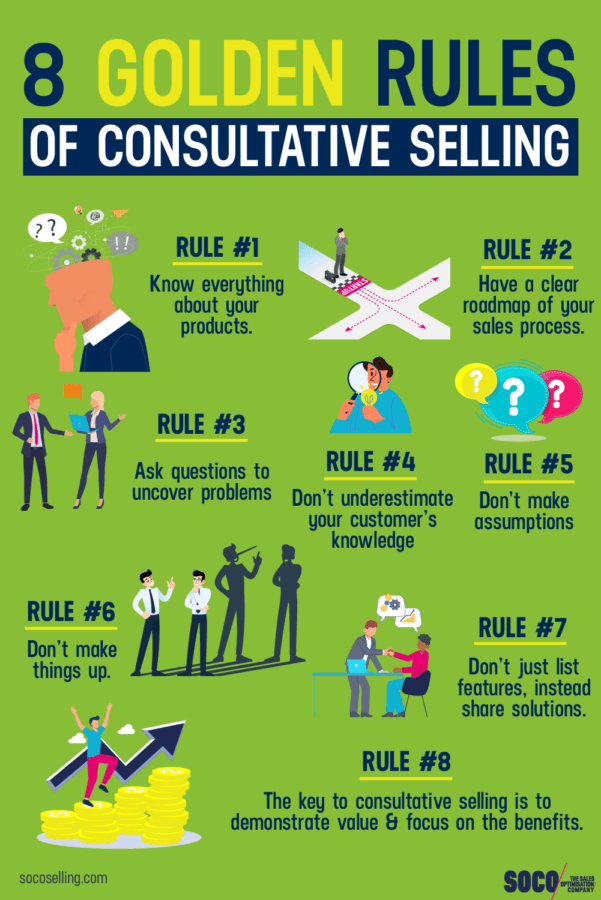
Understanding the Consultative Selling Approach
When it comes to sales, there are generally two main approaches: transactional selling and consultative selling. Transactional selling focuses on simply making a sale, often through aggressive tactics and pressure tactics. On the other hand, consultative selling is a more customer-focused approach that focuses on building relationships and providing value to the customer. Instead of simply pushing a product or service, consultative salespeople seek to understand their customers’ needs and offer solutions that truly meet those needs. This approach not only leads to higher sales but also results in happier, more satisfied customers.
The Key Principles of Consultative Selling
The consultative selling approach is based on several key principles that guide the sales process. These principles include:
- Customer-Centric Focus: The focus is on the customer and their needs, rather than just making a sale.
- Building Trust: Establishing trust and credibility is crucial in this approach.
- Asking the Right Questions: Asking open-ended questions to uncover the customer’s needs and pain points.
- Active Listening: Truly listening to the customer’s responses and understanding their challenges.
- Providing Solutions: Offering tailored solutions that address the customer’s specific needs.
- Closing the Sale: Finally, closing the sale in a way that feels natural and not pushy.
By following these principles, sales professionals can build strong relationships with their customers and ultimately drive more sales.
The Consultative Selling Process
Now that we’ve covered the principles of consultative selling, let’s delve into the specific process that sales professionals can follow to effectively implement this approach.
Step 1: Research and Preparation
Before meeting with a potential customer, it is essential to conduct thorough research and preparation. This includes researching the individual or company, understanding their industry and challenges, and identifying potential pain points that your product or service can address. By being well-prepared, you can demonstrate your expertise and show the customer that you are invested in their success.
Step 2: Building Rapport
When meeting with a customer, it is crucial to focus on building rapport and establishing a connection. This can be done by asking open-ended questions about their business, industry, and challenges, and actively listening to their responses. By showing a genuine interest in the customer and their needs, you can build trust and credibility.
Step 3: Uncovering Needs
The next step in the consultative selling process is to uncover the customer’s needs and pain points. This is done through asking probing questions that delve deeper into the challenges they are facing. By listening carefully to the customer’s responses, you can identify opportunities to provide solutions that will truly meet their needs.
Step 4: Offering Solutions
Once you have a clear understanding of the customer’s needs, it is time to offer solutions. This may involve presenting your product or service as a solution to the customer’s challenges, and explaining how it can benefit them. It is crucial to tailor your solutions to the customer’s specific needs and pain points, rather than using a one-size-fits-all approach.
Step 5: Addressing Objections
During the sales process, customers may raise objections or concerns about your product or service. It is important to address these objections honestly and transparently, rather than trying to push past them. By acknowledging and addressing the customer’s concerns, you can build trust and credibility, and ultimately overcome any barriers to closing the sale.
Step 6: Closing the Sale
The final step in the consultative selling process is to close the sale. This should be done in a way that feels natural and not pushy, by summarizing the key points of the discussion, addressing any remaining concerns, and asking for the customer’s commitment. By following this approach, you can increase your chances of closing the sale and building a strong, long-lasting relationship with the customer.

The Benefits of the Consultative Selling Approach
The consultative selling approach offers a wide range of benefits for both sales professionals and customers.
For Sales Professionals
- Increased Sales: By focusing on understanding and meeting the customer’s needs, sales professionals can drive more sales and achieve higher revenue.
- Stronger Relationships: Building trust and credibility through the consultative selling approach leads to stronger, long-lasting relationships with customers.
- Enhanced Reputation: Sales professionals who use the consultative selling approach are viewed as experts in their field, enhancing their reputation and credibility.
For Customers
- Tailored Solutions: Customers benefit from tailored solutions that truly meet their needs, resulting in higher satisfaction and a better overall experience.
- Trusted Advisor: Sales professionals who utilize the consultative selling approach become trusted advisors to their customers, providing valuable insights and guidance.
- Long-Term Value: By building strong relationships with sales professionals, customers can access ongoing support and value beyond the initial sale.
Overall, the consultative selling approach offers a win-win situation for both sales professionals and customers, leading to increased sales, stronger relationships, and greater satisfaction.
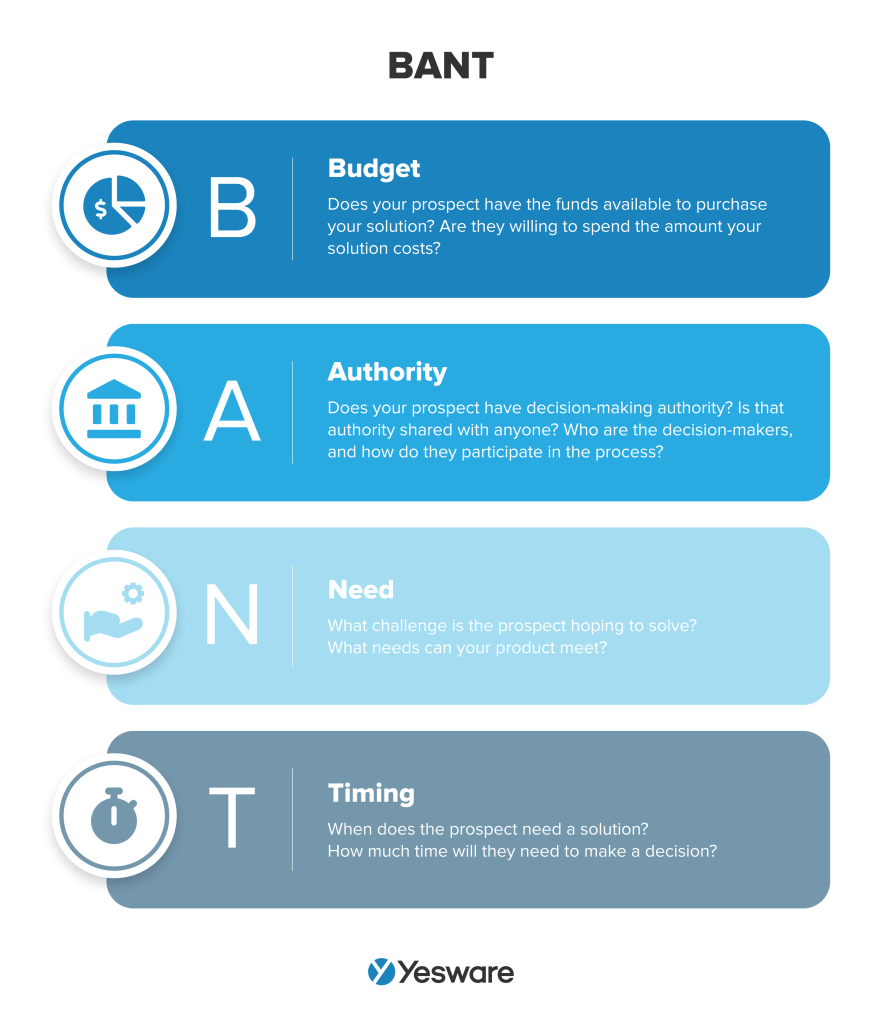
Implementing Consultative Selling in Your Sales Process
Now that you understand the principles and process of the consultative selling approach, it is time to implement these strategies into your sales process. Here are some tips to help you effectively integrate consultative selling into your interactions with customers:
Establishing a Consultative Mindset
To successfully implement the consultative selling approach, it is crucial to cultivate a consultative mindset. This involves shifting your focus from making a sale to truly understanding and meeting the customer’s needs. By approaching every interaction with a customer as an opportunity to uncover their challenges and offer solutions, you can build trust and credibility and drive more sales.
Asking the Right Questions
Asking the right questions is a key aspect of the consultative selling approach. Open-ended questions that delve into the customer’s needs and pain points are essential for uncovering opportunities to provide solutions. By actively listening to the customer’s responses and asking follow-up questions to clarify and deepen your understanding, you can demonstrate your expertise and build rapport.
Providing Value
In the consultative selling approach, providing value to the customer is paramount. This can involve offering insights and recommendations that go beyond simply selling a product or service. By sharing your expertise and knowledge with the customer, you can position yourself as a trusted advisor and build credibility.
Building Relationships
Building relationships with customers is a central tenet of the consultative selling approach. By focusing on establishing trust and credibility, and providing tailored solutions that meet the customer’s needs, you can create long-lasting relationships that drive repeat business and referrals.
Continuous Improvement
Finally, continuous improvement is key to mastering the consultative selling approach. By seeking feedback from customers, analyzing your sales interactions, and identifying areas for growth and development, you can refine your approach and become more effective in meeting your customers’ needs.
By following these tips and strategies, you can effectively implement the consultative selling approach into your sales process and achieve greater success in meeting your customers’ needs and driving sales.

Conclusion
In conclusion, mastering the consultative selling approach is a powerful way to drive sales, build relationships, and provide value to your customers. By focusing on truly understanding and meeting your customers’ needs, you can create long-lasting relationships that drive repeat business and referrals.
By following the principles, process, and strategies outlined in this article, you can successfully implement the consultative selling approach into your sales process and achieve greater success in your sales efforts. So, take the first step towards mastering the consultative selling approach today, and watch your sales soar to new heights.
