

The Importance of Emotional Intelligence in the Workplace
Have you ever wondered why some people seem to excel in their careers while others struggle to get ahead, despite having similar qualifications and skills? The answer may lie in a concept known as emotional intelligence.
What is Emotional Intelligence?
Imagine being able to accurately perceive and understand your own emotions, as well as those of others. This ability is what defines emotional intelligence. By being in tune with your emotions and being able to manage them effectively, you can better navigate social interactions, make informed decisions, and handle stress more successfully.

Why is Emotional Intelligence Important in the Workplace?
In a professional setting, emotional intelligence plays a crucial role in determining success. It goes beyond technical and job-related skills, influencing how individuals communicate, collaborate, and lead within an organization. Employees with high emotional intelligence are more likely to build strong relationships with colleagues, handle conflicts effectively, and adapt to changes in the workplace.

The Five Components of Emotional Intelligence
Emotional intelligence is often broken down into five key components, each of which contributes to an individual’s overall emotional intelligence quotient (EQ). Let’s take a closer look at these components and why they matter in the workplace.
Self-Awareness
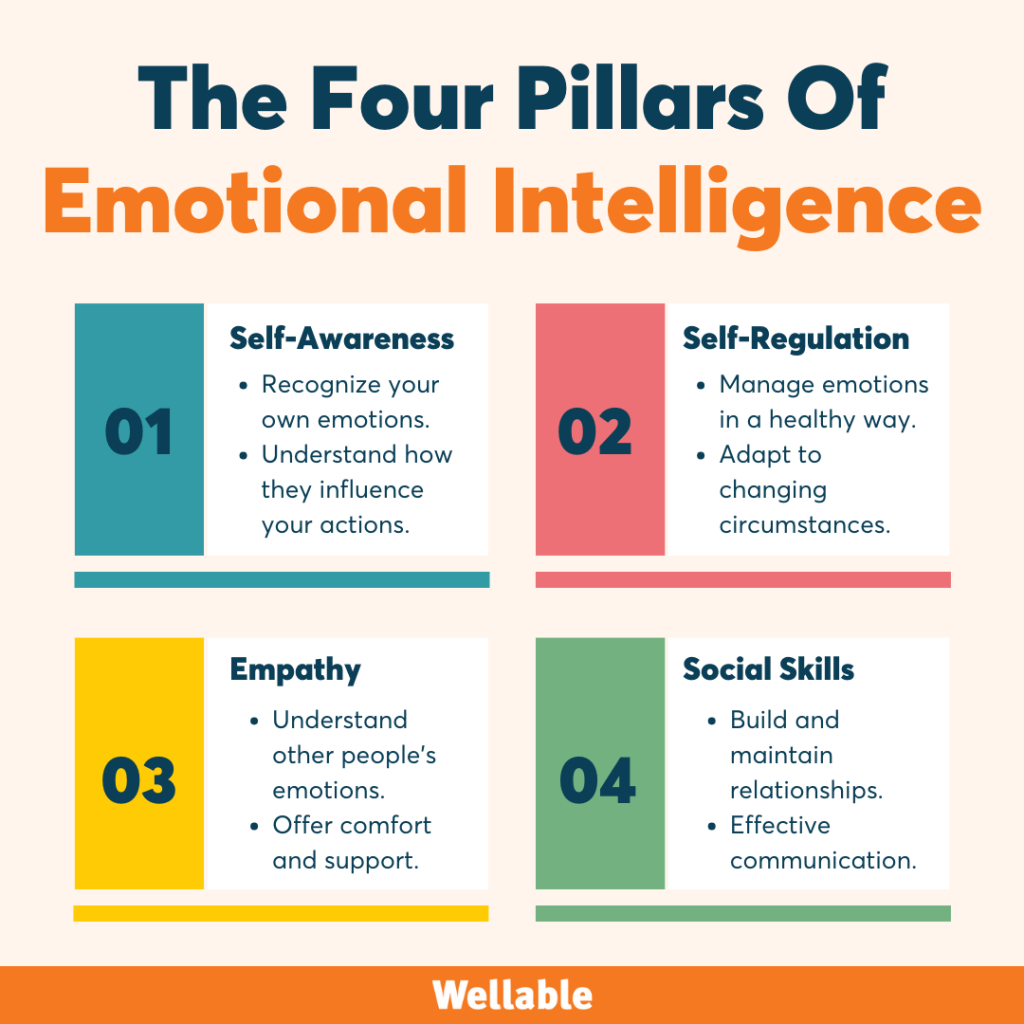
Self-awareness is the ability to recognize and understand your own emotions, thoughts, and values. In the workplace, self-awareness allows you to accurately assess your strengths and weaknesses, as well as how your emotions can impact your behavior and performance. By being self-aware, you can make more informed decisions and better determine how to respond in various situations.
Self-Regulation
Self-regulation involves managing and controlling your emotions in a constructive way. This component of emotional intelligence is essential in the workplace, as it allows you to stay composed under pressure, maintain a positive attitude, and adapt to changing circumstances. By practicing self-regulation, you can avoid impulsive reactions and make sound judgments based on logic and reason.
Motivation
Motivation refers to a person’s drive to achieve goals and pursue success. Individuals with high levels of motivation are persistent, optimistic, and committed to personal and professional growth. In the workplace, motivation is key to staying engaged, productive, and focused on tasks, even when faced with challenges or setbacks. By harnessing your motivation, you can propel yourself forward and inspire those around you to do the same.
Empathy
Empathy involves understanding and relating to the emotions of others. In a professional setting, empathy allows you to connect with colleagues on a deeper level, show compassion and support, and build trust and rapport. By practicing empathy, you can improve your communication skills, resolve conflicts peacefully, and create a positive work environment where everyone feels valued and understood.
Social Skills
Social skills encompass a range of abilities that facilitate effective communication, collaboration, and relationship-building. In the workplace, strong social skills are essential for networking, teamwork, and leadership. Individuals with high emotional intelligence excel in areas such as active listening, conflict resolution, negotiation, and influencing others. By honing your social skills, you can build a strong professional network, inspire teamwork, and enhance your overall effectiveness as a leader.

How to Improve Your Emotional Intelligence
If you’re looking to enhance your emotional intelligence and reap the benefits it can bring to your career, there are several strategies you can try. Here are some practical tips to help you develop your emotional intelligence skills in the workplace:
Practice Self-Reflection
Take time to reflect on your emotions, thoughts, and behaviors in different situations. Consider how your emotions influence your decision-making and interactions with others, and identify areas where you can improve. By becoming more self-aware, you can better understand your strengths and weaknesses and work towards personal growth.
Seek Feedback
Ask for feedback from colleagues, supervisors, and mentors to gain insights into how others perceive your emotional intelligence. Be open to constructive criticism and use it as an opportunity to learn and grow. By listening to feedback, you can identify blind spots, set goals for improvement, and build stronger relationships with those around you.
Develop Emotional Regulation Techniques
Practice mindfulness, deep breathing, or other relaxation techniques to help manage stress and control your emotions. Learn to recognize when you’re feeling overwhelmed or triggered and find healthy ways to cope. By cultivating emotional regulation skills, you can stay calm under pressure, make rational decisions, and maintain a positive outlook in challenging situations.
Build Empathy Through Active Listening
Practice active listening by fully engaging with others when they speak, showing empathy and understanding, and validating their emotions. Take the time to put yourself in someone else’s shoes and see things from their perspective. By honing your empathy skills, you can build stronger connections, resolve conflicts more effectively, and demonstrate genuine care and support for your colleagues.
Enhance Your Social Skills
Work on improving your communication, negotiation, and conflict resolution skills to build stronger relationships in the workplace. Practice assertiveness, diplomacy, and tact when dealing with others, and strive to create a positive and collaborative work environment. By sharpening your social skills, you can become a more effective communicator, leader, and team player.

The Benefits of Emotional Intelligence in the Workplace
By cultivating emotional intelligence skills, you can enjoy a wide range of benefits in the workplace that can positively impact your career progression and overall job satisfaction. Here are some of the key benefits of emotional intelligence in a professional setting:
- Improved Communication: Enhanced understanding of emotions and effective communication skills can lead to clearer, more meaningful interactions with colleagues, clients, and supervisors.
- Stronger Relationships: Building empathy, trust, and rapport with others can foster stronger professional relationships, leading to increased collaboration, support, and mutual respect.
- Better Conflict Resolution: Emotionally intelligent individuals are better equipped to handle conflicts in a constructive manner, reducing tension and fostering peaceful resolutions.
- Increased Leadership Effectiveness: High emotional intelligence is associated with strong leadership skills, including the ability to inspire, motivate, and influence others positively.
- Enhanced Teamwork: By understanding and connecting with team members on an emotional level, you can promote teamwork, cooperation, and synergy within a group.
- Greater Resilience: Emotional intelligence can help you bounce back from setbacks, cope with stress, and adapt to changes in the workplace more effectively.
- Enhanced Decision-Making: By managing emotions and thinking rationally, you can make informed decisions based on logic, reason, and long-term goals.
- Improved Job Satisfaction: Higher emotional intelligence is linked to increased job satisfaction, as individuals with strong EQ are better equipped to navigate challenges, handle stress, and build fulfilling careers.
Conclusion
In today’s fast-paced and dynamic work environment, emotional intelligence has become a key differentiator for success. By developing and honing your emotional intelligence skills, you can enhance your communication, collaboration, and leadership abilities, leading to improved job performance and overall job satisfaction. Take the time to cultivate self-awareness, self-regulation, empathy, and social skills, and watch as you excel in your career and positively impact those around you. Emotional intelligence training can open doors to new opportunities and pave the way for greater professional growth and fulfillment.