

In “The Ultimate Guide to Sales Funnel Management,” you will discover the key strategies and techniques to effectively manage your sales funnel. From attracting leads to converting them into loyal customers, this comprehensive guide will provide you with the tools you need to optimize your sales process and maximize your revenue. Whether you are a beginner or a seasoned sales professional, this article will help you navigate through the complexities of sales funnel management with empathy and understanding. Have you ever struggled with managing your sales funnel effectively? If you find yourself feeling overwhelmed and unsure of where to start, you’re not alone. In this comprehensive guide, we will walk you through everything you need to know about sales funnel management. From understanding the basics to implementing advanced strategies, we’ve got you covered. Let’s dive in and start optimizing your sales funnel today!
Understanding the Sales Funnel
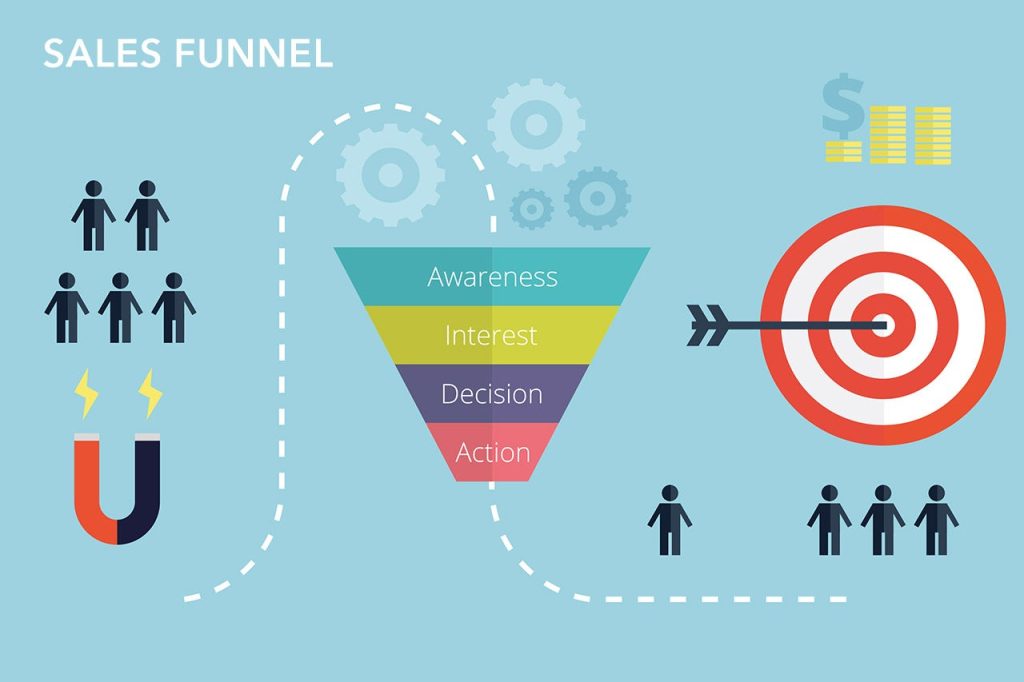
If you’re new to sales funnel management, it’s essential to have a solid understanding of what a sales funnel is and how it works. A sales funnel is a visual representation of the buyer’s journey, from initial awareness to making a purchase. It’s divided into several stages, with each stage representing a different level of engagement and interest from the prospect.
The Stages of a Sales Funnel
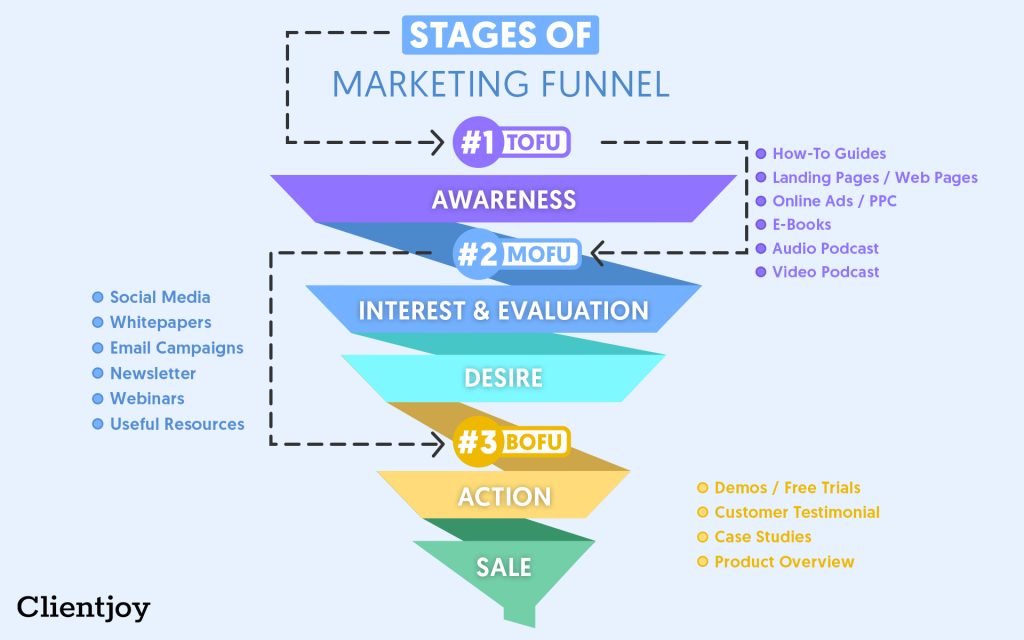
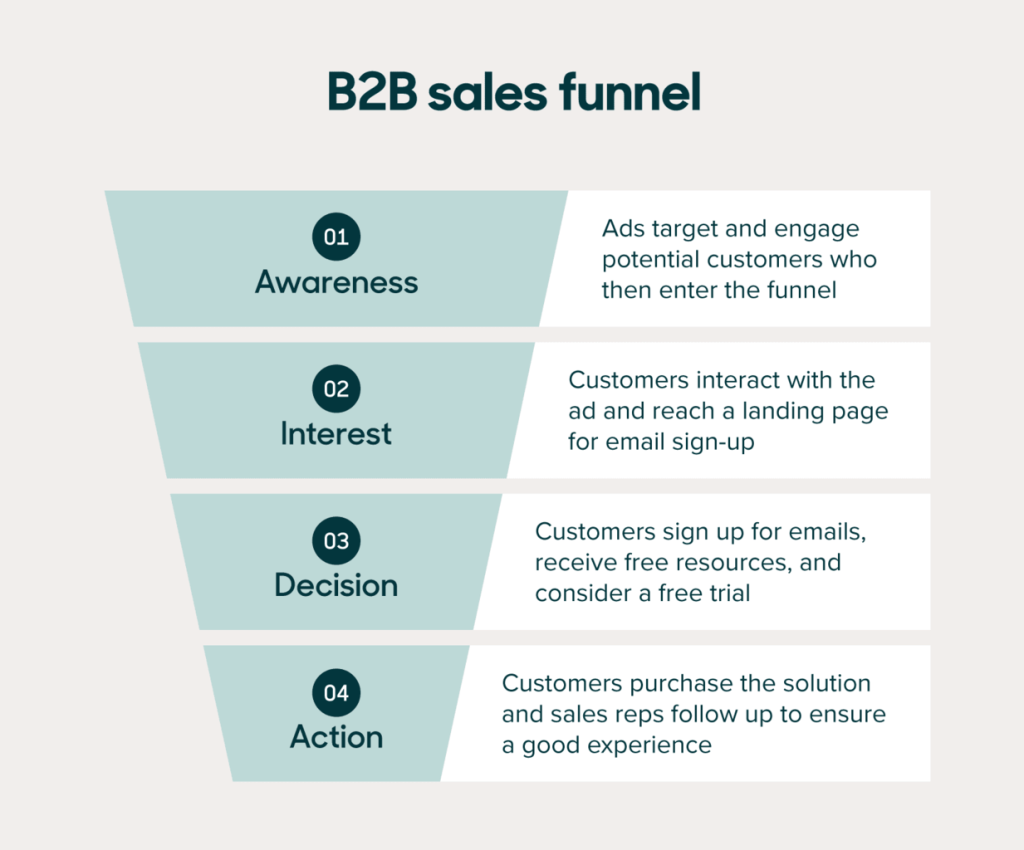
At the top of the funnel is the awareness stage, where prospects become aware of your brand and products. As they move through the funnel, they enter the interest stage, where they start to show interest in what you have to offer. The decision stage comes next, where they consider making a purchase, and finally, the action stage, where they make a purchase.
Benefits of Effective Sales Funnel Management
Managing your sales funnel effectively offers numerous benefits for your business. By optimizing your sales funnel, you can increase conversion rates, improve customer loyalty, and boost revenue. It also allows you to track and analyze customer behavior, enabling you to make data-driven decisions and personalize the customer experience.
Increased Conversion Rates
When you have a well-managed sales funnel, you can better segment your leads and tailor your marketing strategies to each stage of the funnel. This personalized approach increases the likelihood of conversion, as you’re providing prospects with the right information at the right time.
Improved Customer Loyalty
A well-managed sales funnel ensures a smooth and engaging customer journey, which leads to higher customer satisfaction and loyalty. By nurturing leads throughout the funnel, you can build stronger relationships with your customers and encourage repeat purchases.
Boosted Revenue
By optimizing your sales funnel and increasing conversion rates, you ultimately drive more sales and revenue for your business. With a well-managed funnel, you can identify areas for improvement and implement strategies to maximize profits.
Data-Driven Decisions
Effective sales funnel management allows you to track and analyze customer behavior at each stage of the funnel. This data provides valuable insights into what’s working and what’s not, enabling you to make data-driven decisions that drive growth and success.

Essential Components of a Sales Funnel
To effectively manage your sales funnel, it’s crucial to understand the key components that make up a successful funnel. Each component plays a vital role in guiding prospects through the buyer’s journey and ultimately converting them into customers.
Lead Generation
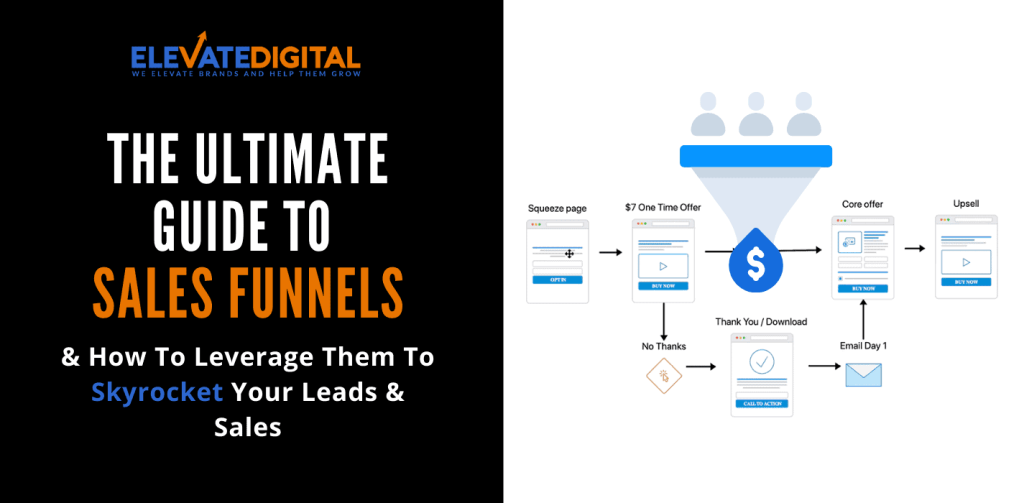
Lead generation is the first step in building a successful sales funnel. It involves attracting prospects to your business through various marketing channels, such as social media, email marketing, and content marketing. The goal of lead generation is to capture the interest of potential customers and collect their contact information for future nurturing.
Lead Qualification
Once you’ve generated leads, the next step is to qualify them based on their level of interest and buying intent. Lead qualification helps you prioritize leads and focus your efforts on those who are more likely to convert. You can use lead scoring and segmentation to categorize leads based on criteria such as demographics, behavior, and engagement with your brand.
Lead Nurturing
Lead nurturing is the process of building relationships with prospects and guiding them through the sales funnel. This involves providing valuable content, staying in touch through email campaigns, and personalized marketing messages to keep prospects engaged and interested in your products or services. By nurturing leads, you can move them through the funnel and ultimately convert them into customers.
Sales Engagement
Sales engagement is the stage where prospects are ready to make a purchase. This involves sales representatives reaching out to prospects, answering questions, addressing objections, and closing deals. A well-structured sales engagement strategy ensures a smooth and seamless buying experience for prospects, leading to higher conversion rates and increased revenue.
Strategies for Effective Sales Funnel Management
Managing your sales funnel requires a strategic approach to ensure that every stage of the funnel is optimized for maximum results. By implementing the following strategies, you can streamline your funnel, improve conversion rates, and drive growth for your business.
Define Your Sales Funnel Goals
Before you can effectively manage your sales funnel, it’s essential to define your goals and objectives. What are you looking to achieve with your sales funnel? Whether it’s increasing revenue, improving customer loyalty, or expanding your customer base, having clear goals in mind will guide your strategy and help you measure success.
Segment Your Audience
Segmenting your audience allows you to tailor your marketing messages and content to specific groups of prospects. By dividing your audience based on criteria such as demographics, behavior, and interests, you can create targeted campaigns that resonate with each segment and drive engagement throughout the funnel.
Implement Marketing Automation
Marketing automation tools can streamline your sales funnel management process by automating repetitive tasks, such as lead scoring, email campaigns, and customer follow-ups. By leveraging automation, you can save time, improve efficiency, and deliver personalized experiences to leads at scale.
Analyze and Optimize
Regularly analyzing and optimizing your sales funnel is crucial for long-term success. By tracking key performance indicators (KPIs) such as conversion rates, lead quality, and customer retention, you can identify areas for improvement and implement strategies to enhance the overall performance of your funnel.
Provide Exceptional Customer Support
Customer support plays a significant role in sales funnel management, especially during the post-purchase stage. By providing exceptional customer service, addressing customer concerns promptly, and soliciting feedback, you can build trust with your customers and encourage repeat purchases and referrals.
Best Practices for Sales Funnel Management
In addition to implementing strategies, there are several best practices you can follow to optimize your sales funnel and maximize results. By incorporating these practices into your sales funnel management process, you can create a seamless and engaging customer journey that drives conversions and increases revenue.
Regularly Review and Refine Your Funnel
To ensure your sales funnel remains effective and efficient, it’s essential to regularly review and refine each stage of the funnel. By monitoring key metrics, analyzing customer behavior, and testing different strategies, you can identify areas for improvement and make informed decisions to optimize your funnel for better results.
Continuously Educate and Train Your Sales Team
Your sales team plays a critical role in managing your sales funnel and driving revenue for your business. By providing ongoing education and training, you can equip your team with the skills and knowledge they need to effectively engage with prospects, address objections, and close deals. Investing in your sales team’s development can have a significant impact on your funnel’s performance and overall success.
Leverage Customer Feedback and Insights
Listening to your customers and gathering feedback is essential for improving your sales funnel and creating a positive customer experience. By soliciting feedback through surveys, reviews, and social media, you can gain valuable insights into what your customers value, what areas need improvement, and how you can better meet their needs and expectations.
Stay Up to Date on Industry Trends and Technology
The world of sales and marketing is constantly evolving, with new trends, technologies, and strategies emerging all the time. To stay ahead of the competition and ensure your sales funnel remains effective, it’s crucial to stay informed about industry trends and leverage the latest technologies and tools to optimize your sales funnel for success.
Conclusion
Effective sales funnel management is essential for driving growth, increasing revenue, and building strong relationships with your customers. By understanding the key components of a sales funnel, implementing strategic strategies, and following best practices, you can optimize your funnel for maximum results and achieve your business goals. Remember, managing your sales funnel is an ongoing process that requires dedication, analysis, and continuous improvement. By taking a proactive approach to sales funnel management, you can create a seamless and engaging customer journey that leads to long-term success for your business.